



1 Shocking Truth About Robert Mueller Death Rumors: Is He Really Dead or Alive?
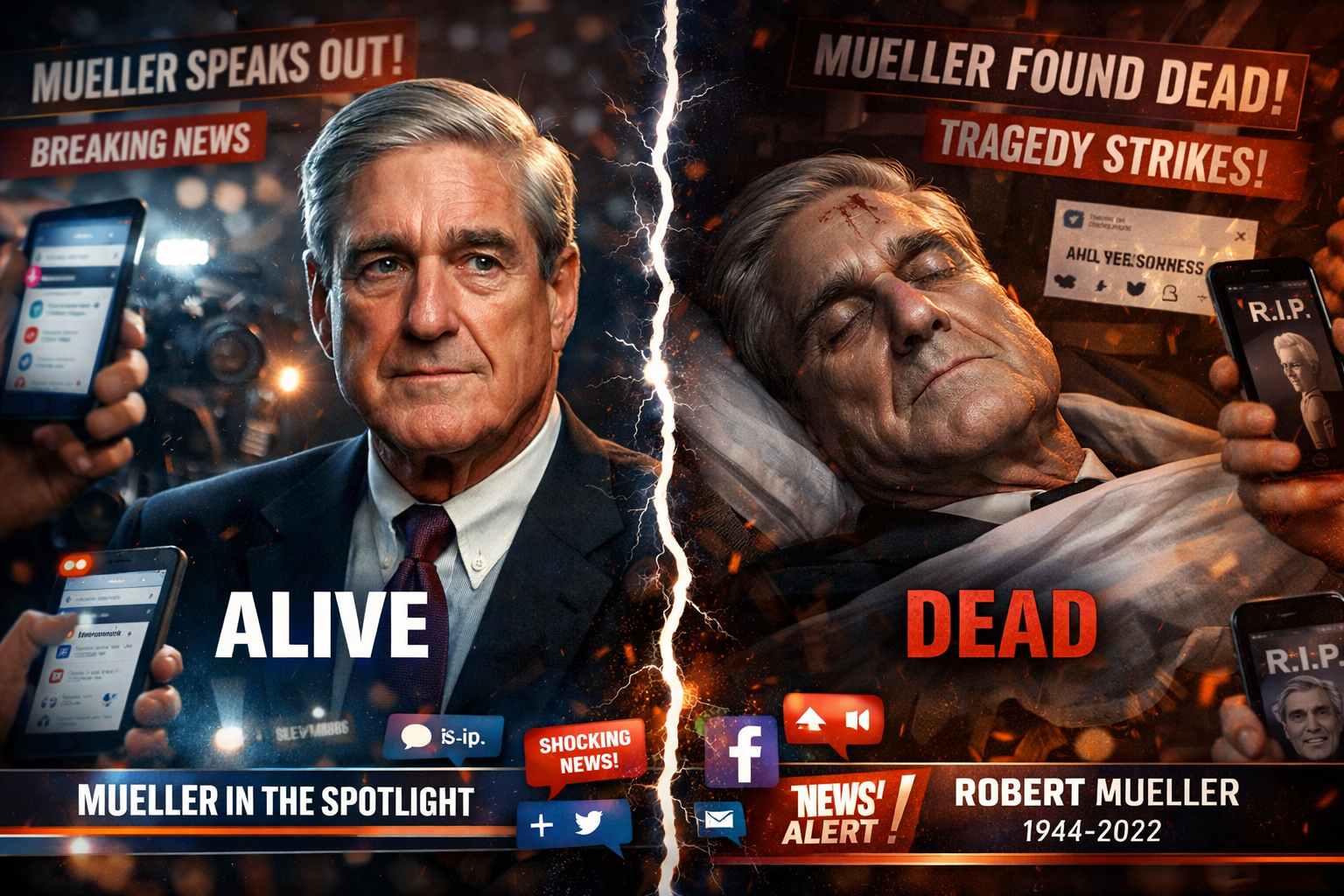
Table of Contents
Breaking News: What Happened to Robert Mueller?
Latest Verified Reports About His Death
Let’s address the biggest question right away: Is Robert Mueller really dead, or is this just another internet hoax? The shocking truth is that the rumors are not fake this time. Multiple credible news outlets confirmed that Robert Mueller passed away at the age of 81.
This wasn’t just a random viral claim circulating on social media. Unlike typical celebrity death hoaxes, this news came from trusted sources like Reuters and AP News, which reported his passing on March 20, 2026.
For many people, the confusion came from how frequently false death rumors spread online. When users saw “Robert Mueller dead” trending, their first instinct was skepticism. But in this case, the reports were confirmed by his family and widely covered by global media.

So if you’ve been wondering whether this is real or fake, here’s the clear answer: Yes, Robert Mueller has passed away, and this is not misinformation.
Timeline of Events Leading to the News
The timeline behind the news is actually quite important to understand why people were confused. In the months leading up to his death, Mueller had largely stayed out of the public eye. Reports about his declining health had surfaced earlier, but they weren’t widely discussed.
Then suddenly, on March 20, 2026, major headlines broke announcing his death. Within hours, social media platforms exploded with searches like “Did Robert Mueller die?” and “Is Mueller still alive?”
This rapid spread of information created a perfect storm of confusion, especially since many people had seen previous fake celebrity death rumors before. However, once verified outlets confirmed the news, it became clear that this was not just another viral hoax—but a real and significant moment in U.S. political history.
Who Is Robert Mueller? A Quick Background
His Role as FBI Director
To truly understand why his death is such a big deal, you need to know who Robert Mueller was. He wasn’t just another public figure—he was one of the most influential law enforcement leaders in modern American history.
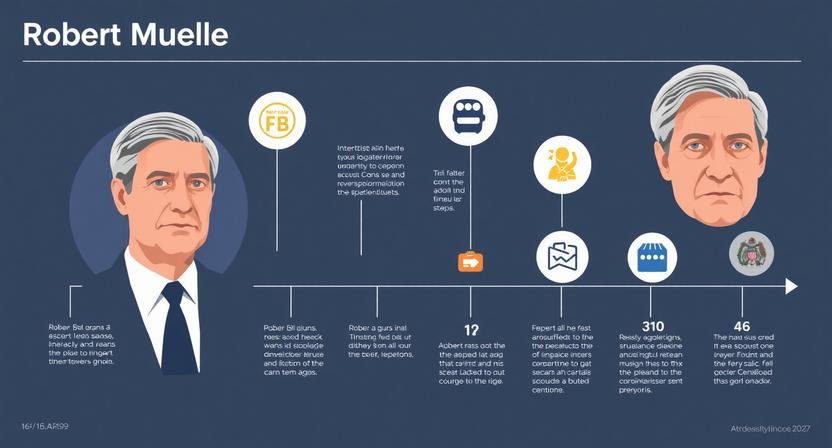
Mueller served as the Director of the FBI from 2001 to 2013, a period that included the aftermath of the 9/11 attacks. During his leadership, the FBI underwent a massive transformation, shifting its focus toward counterterrorism and national security.
Think of it this way: he helped reshape the FBI into the agency we recognize today. His leadership wasn’t flashy or loud, but it was disciplined, structured, and deeply impactful.
The Mueller Report and Trump Investigation
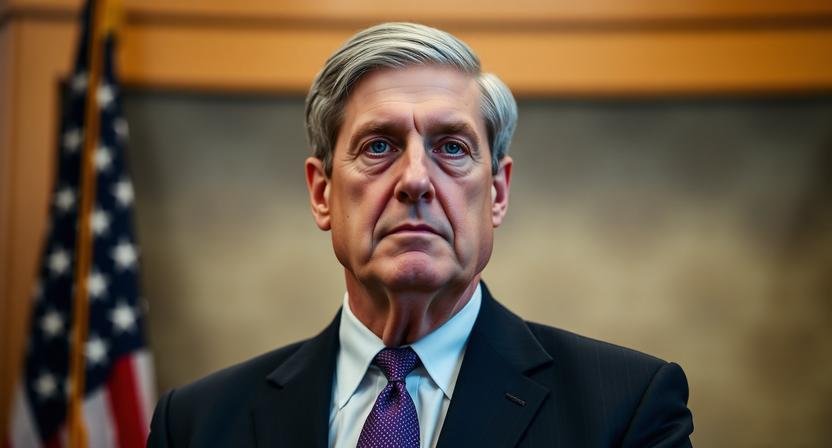
Years after retiring, Mueller returned to the spotlight in 2017 when he was appointed as special counsel to investigate Russian interference in the 2016 U.S. election.
This investigation—widely known as the Mueller Report—became one of the most talked-about political events of the decade. It led to 34 indictments, including Trump associates and Russian operatives, though it did not establish a criminal conspiracy with Trump’s campaign.
The investigation made Mueller a household name and placed him at the center of intense political debates. For some, he was a symbol of accountability. For others, he became a controversial figure tied to partisan conflict.
The Origin of Death Rumors
How Social Media Fueled Confusion
In today’s digital world, news spreads faster than ever—but accuracy doesn’t always keep up. When the phrase “Robert Mueller dead” started trending, many people assumed it was just another internet rumor or clickbait headline.
Why? Because we’ve seen this pattern before. Social media platforms are flooded with fake death announcements, and users have become conditioned to question everything.
This time, however, the situation was different. Real news was mixed with speculation, memes, and political commentary, making it harder for the average person to distinguish fact from fiction.
Difference Between Hoax and Reality
The key difference between a hoax and reality lies in verification. Fake news usually lacks credible sources, while real news is backed by multiple reliable outlets.

In Mueller’s case, several respected organizations reported his death almost simultaneously. That’s a strong indicator that the information is legitimate.
So while skepticism is healthy, it’s also important to recognize when verified reporting confirms a story.
What Was Robert Mueller’s Cause of Death?
Health Issues and Parkinson’s Disease
One of the most searched questions is: What did Robert Mueller die from?
Reports indicate that Mueller had been battling Parkinson’s disease since 2021, a condition that progressively affects movement and speech.
Over time, his health declined significantly. He experienced difficulty speaking and mobility challenges, which ultimately led him to withdraw from public life.
While the exact cause of death hasn’t been publicly detailed in full medical terms, it is widely understood that his long-term illness played a major role.
Final Years and Retirement
Mueller’s final years were quiet compared to his high-profile career. After completing the Mueller Report, he stepped away from the spotlight and focused on his health and family.
He retired from legal practice and made very few public appearances. This period of silence is one reason why many people were caught off guard by the news of his death.
Donald Trump’s Reaction Sparks Controversy
Truth Social Post Breakdown
Following Mueller’s death, Donald Trump made headlines for his reaction. On his platform Truth Social, Trump reportedly posted a highly controversial statement expressing little sympathy.
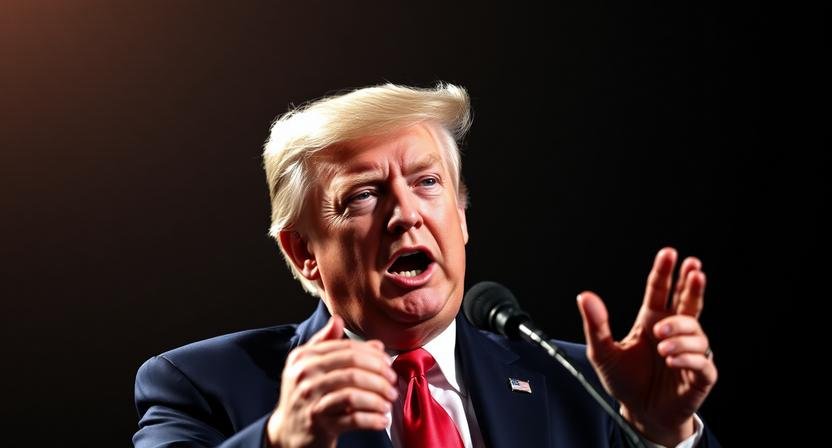
The response quickly went viral, drawing both criticism and support depending on political viewpoints.
Public and Political Reactions
The reaction to Trump’s statement was intense. Many political figures and commentators described it as inappropriate, while others defended it as consistent with his outspoken style.
This moment highlights how deeply divisive Mueller’s legacy remains—even after his passing.
Why People Thought It Was Fake News
History of Celebrity Death Hoaxes
Let’s be honest—how many times have you seen a headline claiming someone famous has died, only to find out it’s completely false?
From actors to politicians, death hoaxes have become incredibly common. Studies and online trends show that a large percentage of viral “RIP” posts turn out to be fake.
This history made people naturally skeptical when Mueller’s name started trending.
Lack of Immediate Confirmation
Another reason for confusion was the initial delay in widespread reporting. Not everyone saw the verified news at the same time, leading to mixed messages online.
Some users saw real reports, while others only saw speculation—creating a split perception of reality.
Mueller’s Legacy in American History
His Impact on the FBI
Robert Mueller’s legacy is deeply tied to the FBI. He didn’t just lead the agency—he transformed it during one of the most critical periods in U.S. history.
After 9/11, the FBI shifted its focus toward preventing terrorism, and Mueller played a key role in that transition.
Influence on U.S. Politics
His role as special counsel ensured that his name would remain part of political discussions for years. Whether praised or criticized, his investigation left a lasting mark on American democracy.
Media Coverage and Public Perception
How News Outlets Reported It
Major outlets covered Mueller’s death extensively, emphasizing his long career, military service, and role in key investigations.
The consistency across reports helped confirm the legitimacy of the news.

Viral Trends and Online Searches
Search trends skyrocketed within hours of the announcement. Keywords like “Robert Mueller death,” “Is Mueller dead,” and “Mueller cause of death” dominated search engines.
This shows how quickly public curiosity turns into global conversation.
Key Facts You Should Know
| Fact | Details |
|---|---|
| Full Name | Robert S. Mueller III |
| Age at Death | 81 |
| Major Role | FBI Director (2001–2013) |
| Known For | Mueller Report Investigation |
| Health Condition | Parkinson’s Disease |
| Year of Diagnosis | 2021 |
Conclusion
The biggest takeaway here is simple but powerful: not all viral death rumors are fake. In the case of Robert Mueller, the shocking truth is that the reports are real.
His passing marks the end of a significant chapter in American legal and political history. Whether you viewed him as a hero, a controversial figure, or somewhere in between, there’s no denying his impact.
In a world full of misinformation, moments like this remind us why verified news matters more than ever.

👉 Verified Source on Mueller Investigation
FAQs
1. Is Robert Mueller really dead?
Yes, multiple credible news outlets have confirmed that Robert Mueller passed away in March 2026.
2. What was Robert Mueller’s cause of death?
He had been suffering from Parkinson’s disease since 2021, which contributed to his declining health.
3. Why did people think it was a hoax?
Because celebrity death hoaxes are common, many initially believed the news was fake.
4. What did Donald Trump say about Robert Mueller?
Trump posted a controversial message on Truth Social that sparked widespread backlash.
5. What is Robert Mueller best known for?
He is best known for serving as FBI Director and leading the investigation into Russian interference in the 2016 election.