



5 Fresh Waves of Missiles Rock Israel: Iran Rejects Trump Talks as ‘Fake News’
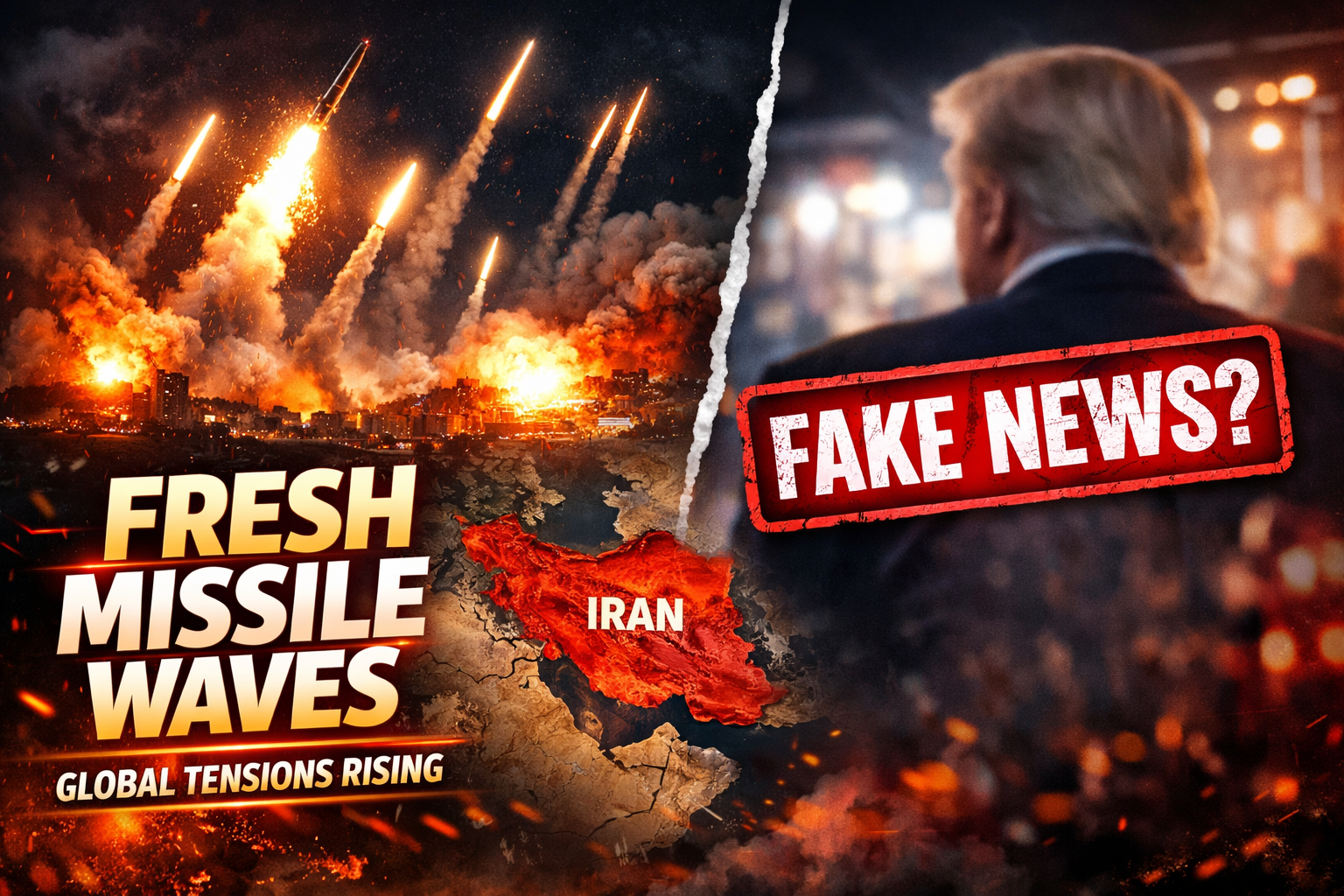
Table of Contents
Introduction to the Escalating Crisis
The phrase “Fresh Waves of Missiles” isn’t just dramatic wording—it reflects a rapidly intensifying geopolitical crisis that’s reshaping the Middle East in real time. As of March 2026, Iran has launched multiple missile strikes targeting Israel, marking a dangerous escalation in an already volatile conflict. According to recent reports, these attacks are not isolated incidents but part of a sustained military campaign that has evolved over weeks into a full-scale regional confrontation.
What makes this situation even more complex is the simultaneous war of narratives. While missiles are flying across borders, political messaging is just as explosive. On one side, former U.S. President Donald Trump claims that negotiations with Iran are underway and showing progress. On the other, Tehran is outright rejecting these claims, labeling them as “fake news” designed to manipulate global perception and even financial markets.
This dual-layered conflict—military and informational—creates a scenario where truth becomes difficult to pinpoint. Are diplomatic talks genuinely happening behind closed doors, or is this a strategic bluff? And more importantly, how do these conflicting claims affect global stability, oil prices, and the risk of a broader war?
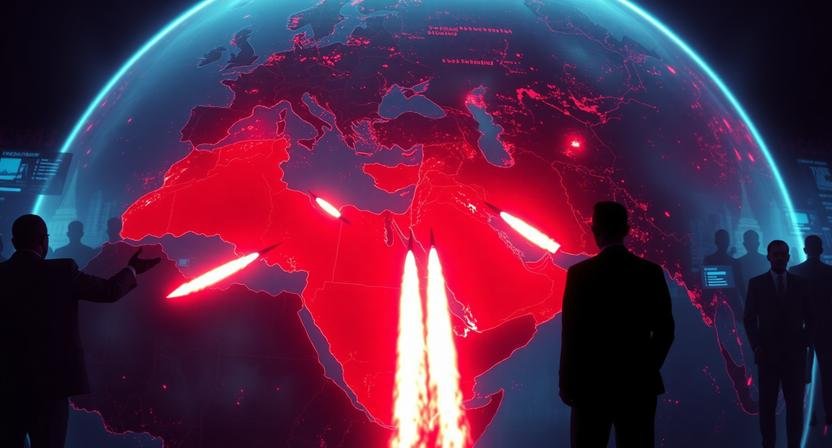
Let’s break it all down step by step, starting with what these fresh missile waves actually signify.
What “Fresh Waves of Missiles” Really Means
When analysts use the term “fresh waves of missiles,” they’re not just referring to repeated attacks. They’re describing a coordinated military strategy designed to overwhelm defense systems and maintain sustained pressure on the enemy. Think of it like waves crashing onto a shore—not a single strike, but continuous force intended to erode resistance over time.
In this case, Iran’s strategy appears calculated and deliberate. Instead of launching all missiles at once, they are deployed in intervals, making it harder for defense systems like Israel’s Iron Dome to intercept every projectile. This tactic increases the likelihood of damage and creates psychological pressure on civilians and governments alike.
Reports indicate that several missiles struck urban areas, including major cities like Tel Aviv, leading to emergency responses and heightened security measures. The human cost is already severe, with thousands of casualties reported since the conflict began in late February.
But beyond the immediate destruction, these waves signal something deeper: a shift from symbolic retaliation to sustained warfare. Iran isn’t just responding—it’s escalating. And that raises the stakes for everyone involved.
Timeline of the Latest Iran-Israel Conflict
How the Conflict Began
To understand the current situation, you need to rewind to late February 2026. The conflict didn’t start overnight—it was triggered by a series of escalating military actions, including airstrikes on Iranian targets. These strikes reportedly targeted key infrastructure linked to Iran’s Revolutionary Guard and intelligence operations.
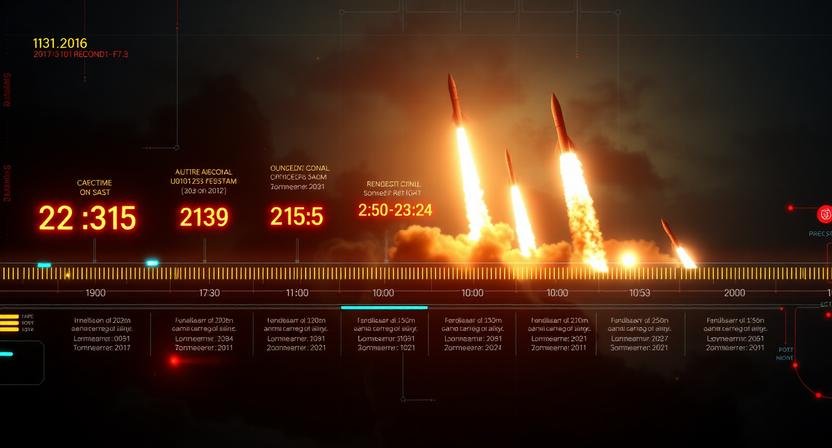
This initial move set off a chain reaction. Iran responded not with a single retaliatory strike but with a broader strategy that included missile attacks, threats against U.S. interests, and the blocking of critical trade routes like the Strait of Hormuz.
The situation quickly spiraled into a multi-front conflict involving not just Iran and Israel, but also indirect involvement from global powers.
Key Events Leading to Missile Strikes
Here’s a simplified breakdown of how things escalated:
| Date | Event |
|---|---|
| Feb 28, 2026 | Initial airstrikes on Iran |
| Early March | Iran retaliates with missile launches |
| Mid-March | Strait of Hormuz tensions rise |
| Late March | Fresh waves of missiles launched |
Each step intensified the conflict, pushing both sides further away from diplomacy and closer to prolonged warfare.
Iran’s Missile Offensive Explained
Targets and Impact Zones
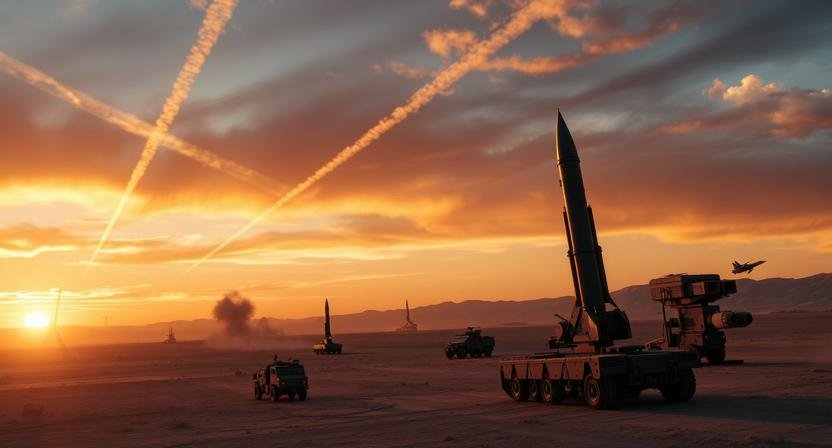
Iran’s missile strikes have focused on strategic and symbolic targets. Urban centers, military installations, and infrastructure hubs have all been affected. The goal isn’t just physical damage—it’s to disrupt daily life, weaken morale, and send a clear message of capability and intent.
The attacks on cities like Tel Aviv highlight this approach. By targeting densely populated areas, Iran increases both the visibility and impact of its actions. It’s not just about military gain—it’s about psychological warfare.
Damage and Civilian Impact
The human toll of these missile waves cannot be ignored. Thousands have been killed since the conflict began, with many more injured or displaced. Emergency services are overwhelmed, and civilians are forced to live under constant threat.
Imagine waking up every day not knowing if a missile will strike your neighborhood. That’s the reality for many people right now. And as the attacks continue, the humanitarian crisis is only getting worse.
Trump’s Claims of Negotiations
What Trump Said Publicly
Amid the chaos, Donald Trump has claimed that the U.S. is engaged in “productive” negotiations with Iran. He even suggested that these talks led to a temporary pause in planned military actions.
According to Trump, these discussions are a sign that both sides are willing to find a diplomatic solution. He framed the situation as a potential breakthrough, hinting at agreements on key issues.
Market and Political Reactions
Interestingly, these claims had an immediate impact on global markets. Oil prices fluctuated, and stock markets reacted positively—at least temporarily.
But here’s where things get tricky. If the negotiations aren’t real, then these market movements are based on misinformation. And that raises serious questions about the role of political statements in influencing global economics.
Iran’s Response: ‘Fake News’ Allegations
Official Statements from Tehran
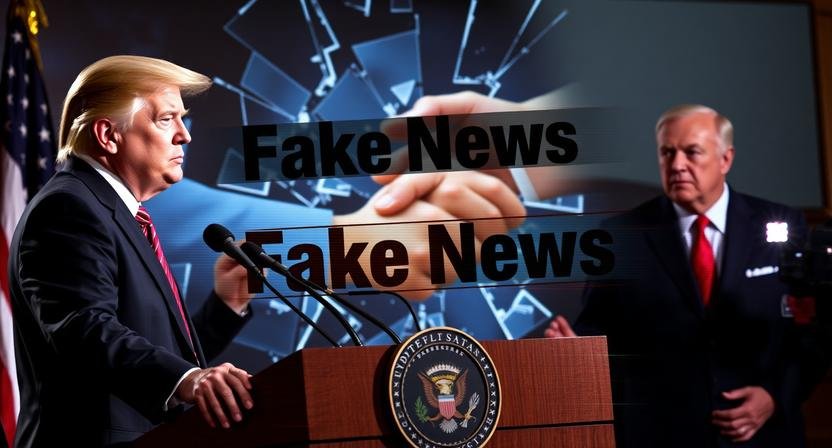
Iran has categorically denied any ongoing negotiations with the United States. Officials have labeled Trump’s claims as “fake news,” accusing him of spreading misinformation to manipulate public opinion and financial markets.
This isn’t just a disagreement—it’s a direct contradiction. One side says talks are happening; the other says they aren’t. And in the middle, the world is left trying to figure out who to believe.
For deeper insight into Iran’s recent military activity, check out this detailed report on Kharg Island developments. 👉 What’s Happening at Kharg Island? Full Report
Role of Global Powers and Mediators
Countries Involved in Backchannel Talks
Even though direct talks are denied, there are reports of indirect negotiations facilitated by countries like Pakistan, Turkey, and Egypt.
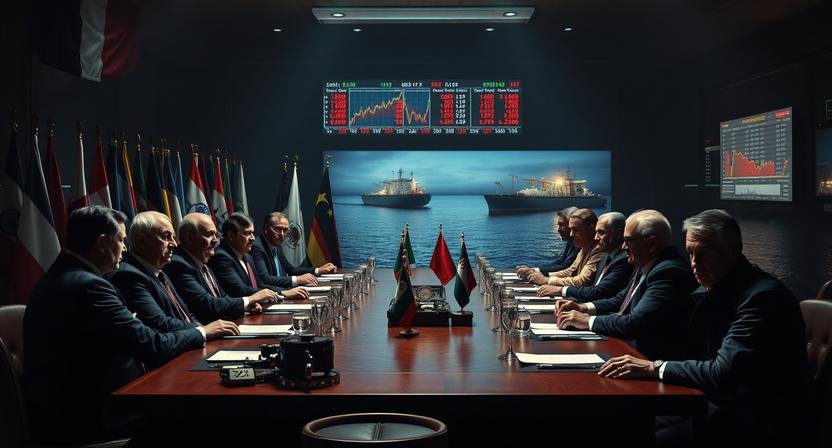
These backchannel efforts are crucial. They act as a bridge between two sides that refuse to communicate directly. Think of it as diplomacy in the shadows—quiet, unofficial, but potentially impactful.
Impact on Global Economy and Oil Markets
Strait of Hormuz Crisis
One of the biggest concerns is the Strait of Hormuz, a key route for global oil shipments. Iran’s actions have disrupted this passage, causing uncertainty in energy markets.
When oil supply is threatened, prices rise. And when prices rise, the ripple effects are felt worldwide—from fuel costs to food prices.
Military Capabilities and Strategy
Iran’s Missile Arsenal
Iran’s missile program is a central element of this conflict. Despite international pressure, Tehran has consistently refused to negotiate limits on its missile capabilities.
This arsenal gives Iran a strategic advantage, allowing it to project power across the region without relying solely on conventional forces.
Information War and Propaganda
Competing Narratives
This conflict isn’t just fought with missiles—it’s fought with words. Both sides are shaping narratives to gain international support and influence public opinion.
Is it diplomacy or deception? Progress or propaganda? The answer likely lies somewhere in between.
Future Outlook of the Conflict
Possibility of Escalation or Peace
Right now, the situation is incredibly fragile. On one hand, there are signs of potential diplomacy through intermediaries. On the other, missile attacks continue, and tensions remain high.
The big question is: Will this escalate into a wider war, or can it still be contained?
Conclusion
The phrase “Fresh Waves of Missiles” captures more than just a military tactic—it reflects a world on edge. With conflicting narratives, rising casualties, and global economic implications, this crisis is far from over.

What happens next will depend on a complex mix of diplomacy, strategy, and sheer unpredictability.
FAQs
1. What are “fresh waves of missiles”?
It refers to repeated, coordinated missile attacks launched in phases to overwhelm defenses.
2. Are the U.S. and Iran actually negotiating?
The U.S. claims they are, but Iran denies it, calling the reports fake.
3. Why is the Strait of Hormuz important?
It’s a కీల route for global oil supply, and disruptions can affect worldwide prices.
4. Which countries are mediating the conflict?
Pakistan, Turkey, Egypt, and others are involved in indirect talks.
5. Could this lead to a larger war?
Yes, if tensions continue to escalate without successful diplomacy.
For deeper insight into Iran’s recent military activity, check out this detailed report on Kharg Island developments. 👉 What’s Happening at Kharg Island? Full Report