





Shamar Elkins Exposed: 6 Dark Truths About the 2026 Shreveport Mass Shooting
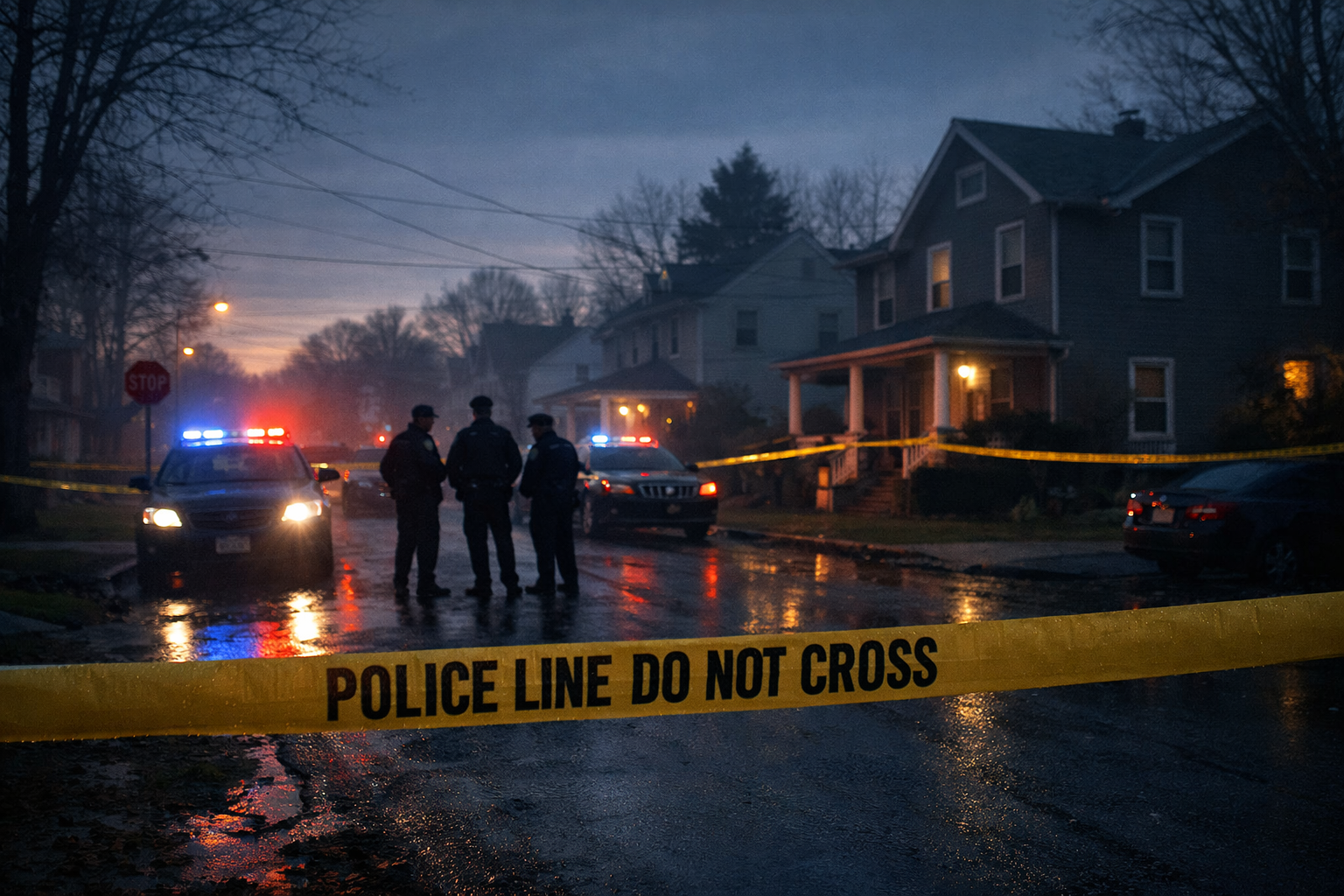
Table of Contents
Introduction to the Shreveport Tragedy
Why This Case Shocked the Nation
The 2026 Shreveport mass shooting (Shamar Elkins) is not just another headline—it’s one of those heartbreaking events that forces people to stop, reflect, and question everything. When news broke that eight children were killed, including seven by their own father, it sent shockwaves across the United States and beyond. This wasn’t random violence on the streets; it was deeply personal, rooted in a family crisis that spiraled out of control. According to reports, the suspect, Shamar Elkins, carried out the attack during what authorities described as a domestic dispute, making the tragedy even more disturbing.
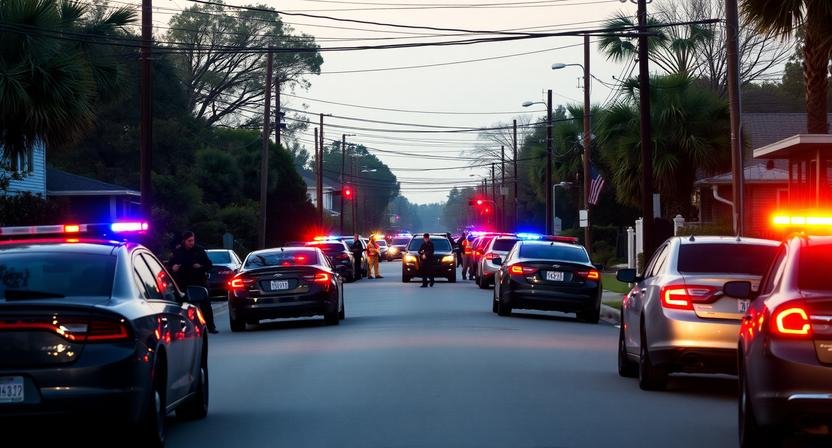
Think about it for a moment—home is supposed to be the safest place for children. But in this case, it became the most dangerous. The emotional weight of this story lies not just in the numbers, but in the betrayal of trust and the destruction of an entire family. Communities don’t easily recover from events like this. It leaves scars—psychological, emotional, and societal—that last for years. That’s why this case quickly became one of the deadliest mass shootings in the U.S. in 2026.
Timeline of April 19, 2026
The tragedy unfolded early in the morning, around 6:00 a.m., in Shreveport’s Cedar Grove neighbourhood. It began when Elkins allegedly shot one woman—believed to be his wife—before moving to another residence where the real horror took place. Within a short span of time, multiple lives were lost across two homes and nearby locations, turning a quiet neighbourhood into a crime scene.
According to a detailed investigation by the New York Times, the Shreveport mass shooting in 2026 resulted in multiple child fatalities and sparked nationwide debate on domestic violence and gun control.
Read the full report here: “New York Times report on the Shreveport mass shooting”
What makes this timeline even more chilling is how quickly everything happened. There were no long standoffs or drawn-out incidents—just rapid, devastating violence. After the shootings, Elkins fled the scene, carjacked a vehicle, and led police on a chase before being fatally shot. The speed and brutality of events left authorities scrambling and residents in disbelief.
Who Was Shamar Elkins?
Background and Personal Life
So, who exactly was Shamar Elkins? On the surface, he appeared to be a 31-year-old man living a relatively ordinary life in Louisiana. He was a father, a partner, and someone embedded in his local community. But as more details emerged, a darker and more complex picture began to form.
Elkins was reportedly in the middle of a separation from his wife, with a court hearing scheduled just days after the incident. This detail is crucial because it points toward emotional stress, conflict, and possibly a breaking point. Family disputes can be intense, but in rare and tragic cases like this, they escalate into violence with irreversible consequences.
The fact that the victims included his own children adds another layer of horror. It challenges our understanding of parental instincts and forces us to confront uncomfortable questions: What drives someone to harm their own family? Was this a moment of rage, or something deeper?
Military and Criminal History
Elkins also had a background in the Louisiana Army National Guard, where he served from 2013 to 2020. While military service often instills discipline and structure, it can also expose individuals to stress and trauma, especially if mental health support is lacking.
In addition, Elkins had a prior firearms-related conviction in 2019, which raises serious questions about how he still had access to weapons. This isn’t just about one individual—it’s about systemic gaps that allow potentially dangerous situations to escalate.
Dark Truth #1: A Domestic Violence Nightmare
Family Conflict and Separation
At the core of this tragedy lies a domestic violence situation that spiraled out of control. Authorities believe the shooting stemmed from ongoing disputes between Elkins and the mothers of his children. This wasn’t a random act—it was deeply personal, fueled by emotional tension and possibly unresolved conflicts.

Domestic violence often starts quietly—arguments, control issues, emotional manipulation—but it can escalate rapidly. In this case, the warning signs may have been present but went unnoticed or unaddressed. The tragic outcome shows how dangerous these situations can become when intervention doesn’t happen in time.
Dark Truth #2: The Targeting of His Own Children
Victims and Their Ages
One of the most heartbreaking aspects is the age of the victims—between 1 and 14 years old. These were young children, some barely beginning their lives, others just starting school.
Seven of them were Elkins’ own children, while one was a relative. The fact that a parent could commit such an act is almost impossible to comprehend. It transforms the tragedy from a crime into something far more disturbing—a complete breakdown of familial bonds.
Dark Truth #3: Multiple Crime Scenes Reveal Planning
Sequence of Events Across Locations
This wasn’t confined to a single location. The shootings occurred across multiple homes, suggesting a level of movement and coordination.
When incidents span multiple locations, it often indicates intent and planning rather than a spontaneous act. This detail makes the case even more unsettling because it suggests the violence wasn’t entirely impulsive.
Dark Truth #4: Warning Signs That Were Ignored
Social Media and Mental Health Signals
Reports indicate that Elkins had shared emotional and troubling posts on social media before the attack. These posts hinted at distress and inner turmoil, which in hindsight appear to be warning signs.
This raises an important question: Could this tragedy have been prevented? Mental health struggles often go unnoticed until it’s too late. Society still struggles to identify and respond effectively to these signals.
Dark Truth #5: Prior Criminal Record and Weapon Access
Past Firearm Charges
Despite a previous conviction involving weapons, Elkins was still able to carry out this attack. This highlights a critical issue in the system—how individuals with known risks can still access firearms.

It’s not just about laws; it’s about enforcement, monitoring, and intervention. When these fail, the consequences can be devastating.
Dark Truth #6: The Deadly Police Chase Ending
Carjacking and Final Encounter
After the shootings, Elkins attempted to flee by carjacking a vehicle and leading police on a chase. The pursuit ended when officers shot and killed him, bringing the immediate threat to an end.
While this closed the case in terms of law enforcement, it didn’t bring closure to the families affected. The damage had already been done.
Community Reaction and National Impact
Statements from Officials
Local leaders described the घटना as one of the worst tragedies in Louisiana’s history. The emotional response from officials and citizens alike reflects the scale of the loss.
Communities often come together after such events, but healing takes time—and sometimes, it never fully happens.
Broader Issues Highlighted by the Tragedy
Gun Violence and Domestic Abuse
This case sits at the intersection of two major issues: gun violence and domestic abuse. When combined, they create a particularly dangerous situation.

Mental Health Crisis
Mental health remains a critical but often overlooked factor. Without proper support systems, individuals in crisis may reach a breaking point with tragic consequences.
Conclusion
The story of Shamar Elkins is not just about one man—it’s about a system of failures, warning signs missed, and lives lost far too soon. It forces us to confront uncomfortable truths about domestic violence, mental health, and access to weapons.
FAQs
1. Who was Shamar Elkins?
A 31-year-old Louisiana man identified as the perpetrator of the 2026 Shreveport mass shooting.
2. How many victims were there?
Eight children were killed, and two women were injured.
3. What was the motive?
Authorities believe it was related to domestic violence and family disputes.
4. How did the incident end?
Elkins was shot and killed by police after a car chase.
5. Why is this case significant?
It is one of the deadliest mass shootings in 2026 and highlights major societal issues.
News Updates
For more latest breaking news updates, you can follow ongoing coverage on Global News Signal latest reports, where real-time stories and trending incidents are regularly published.