



5 Reasons US Iran Ceasefire Talks Could Collapse as Iran Delays Decision
Table of Contents
Understanding the US Iran Ceasefire
Background of the Conflict
The ongoing US Iran Ceasefire is not just another temporary pause in hostilities—it’s the fragile thread holding back a much larger regional conflict. Over the past several weeks, tensions between the United States and Iran escalated dramatically, fueled by military strikes, naval confrontations, and geopolitical rivalries. What began as targeted operations quickly spiraled into a broader conflict involving strategic choke points like the Strait of Hormuz and indirect actors across the Middle East.
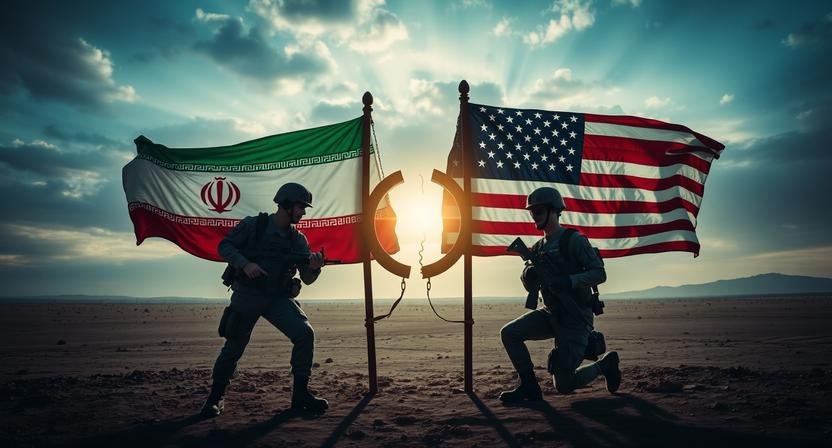
The ceasefire, initiated on April 8, 2026, was designed as a short-term solution to halt escalating violence and create space for diplomatic dialogue. However, even from the beginning, cracks were visible. Both sides appeared to interpret the agreement differently, particularly regarding its scope and enforcement. While Washington emphasized nuclear restrictions and maritime security, Tehran focused on broader regional stability, including actions involving its allies.
This mismatch in expectations created a ticking time bomb beneath the ceasefire. Instead of serving as a foundation for peace, it became a temporary pause filled with suspicion. The result? A situation where every move—whether military or diplomatic—is viewed through a lens of mistrust, making meaningful progress incredibly difficult.
Why the Ceasefire Matters Globally
You might wonder—why does this ceasefire matter so much beyond the US and Iran? The answer lies in the global ripple effects. The US Iran Ceasefire directly impacts oil prices, global trade routes, and even inflation rates worldwide. The Strait of Hormuz alone handles nearly 20% of global oil shipments, making it one of the most critical energy corridors on the planet.
When tensions rise in this region, oil prices react almost instantly. Investors panic, markets fluctuate, and economies that rely heavily on energy imports feel the pressure. In fact, recent reports show that even the possibility of renewed talks has already influenced Gulf stock markets, pushing them slightly upward due to cautious optimism.
But it’s not just about economics. The ceasefire also plays a crucial role in preventing a wider war that could involve multiple nations. With alliances and rivalries deeply entrenched, any breakdown in negotiations could trigger a domino effect, pulling in regional and global powers. That’s why the world is watching closely—because what happens next could redefine geopolitical stability for years to come.
Current Situation: Iran’s Uncertainty
Iran’s Official Position on Talks
At the heart of the current crisis is a simple but critical question: will Iran send a delegation to Islamabad for the next round of talks? As of now, the answer remains uncertain. Iranian officials have expressed serious reservations about participating, citing concerns over trust and fairness in the negotiation process.
Reports indicate that Tehran has not yet made a final decision and is carefully reviewing the invitation to join discussions in Pakistan. This hesitation isn’t just diplomatic posturing—it reflects deeper frustrations with how the ceasefire has been handled so far. Iran has repeatedly emphasized that it will not negotiate “under threat,” a clear reference to ongoing military pressure from the United States.
This is the most relevant part of your article because the BBC live page provides real-time updates on the US-Iran talks and ceasefire developments.
In fact, earlier statements from Iranian officials suggested that they might not send negotiators at all, especially given what they describe as violations of the ceasefire agreement. This back-and-forth creates an atmosphere of uncertainty, leaving both allies and adversaries guessing about Tehran’s next move.
Allegations of Ceasefire Violations
One of the biggest obstacles to progress is the growing list of alleged ceasefire violations. Iran has accused the United States of breaching the agreement almost from the start, pointing to actions such as naval blockades and the seizure of Iranian vessels. These incidents have significantly eroded trust, making negotiations even more challenging.
From Tehran’s perspective, these actions are not just minor infractions—they are fundamental breaches that undermine the entire purpose of the ceasefire. On the other hand, Washington maintains that its actions are necessary for security and enforcement, particularly regarding sanctions and maritime safety.
This blame game has created a diplomatic stalemate. Imagine trying to negotiate peace while simultaneously accusing the other side of cheating—it’s like playing a game where both players believe the rules are being broken. Until this trust deficit is addressed, meaningful progress will remain elusive.
Islamabad Talks – A Crucial Diplomatic Stage
Role of Pakistan as Mediator
Pakistan has emerged as a key player in this high-stakes diplomatic drama, positioning itself as a neutral mediator capable of bridging the gap between Washington and Tehran. Hosting the talks in Islamabad is not just a logistical choice—it’s a strategic one.
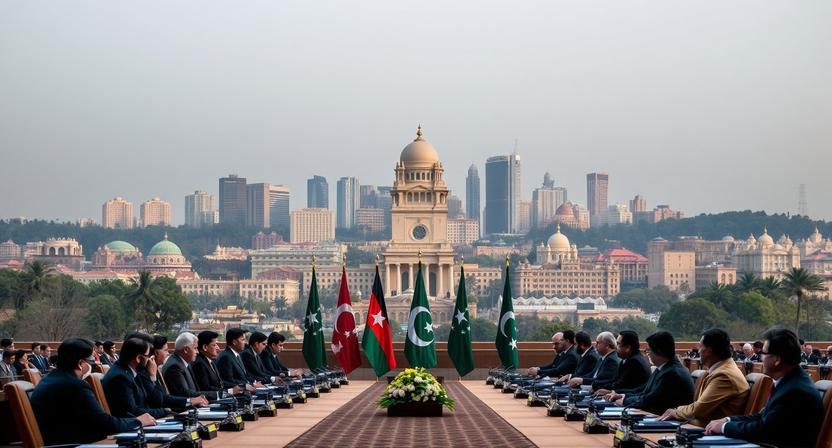
Pakistan maintains relationships with both countries, giving it a unique advantage in facilitating dialogue. Its role is essentially that of a referee in a tense match, ensuring that both sides stay engaged and focused on finding common ground. This is no small task, especially given the deep-rooted mistrust between the US and Iran.
The stakes are incredibly high. If Pakistan succeeds, it could elevate its status as a global diplomatic hub. If it fails, the consequences could extend far beyond its borders, potentially destabilizing the entire region.
Previous Islamabad Talks Outcome
The first round of talks in Islamabad, held earlier in April, offered a glimpse into both the potential and the challenges of this diplomatic effort. Despite lasting over 20 hours, the مذاکرات failed to produce a concrete agreement.
The discussions were intense and covered a wide range of issues, from nuclear policies to regional security. While both sides acknowledged some progress, the fundamental disagreements remained unresolved. It was like building a bridge halfway—impressive effort, but not enough to connect the two sides.
Still, the fact that these talks happened at all was significant. Direct engagement between US and Iranian officials is rare, making the Islamabad مذاکرات a crucial platform for dialogue. The question now is whether a second round can achieve what the first could not.
US Strategy and Pressure Tactics
Military Threats vs Diplomacy
The United States appears to be walking a tightrope between diplomacy and military pressure. On one hand, it is preparing for negotiations; on the other, it continues to issue strong warnings about potential military action.
Recent statements from US leadership have underscored this dual approach. There have been explicit warnings that failure to reach an agreement could result in renewed military strikes. This strategy is designed to push Iran toward the negotiating table, but it also risks backfiring by reinforcing Tehran’s reluctance to engage under pressure.
It’s a classic carrot-and-stick approach—but the stick seems to be getting more attention than the carrot. And in international diplomacy, perception matters just as much as reality.
Key Figures Leading Negotiations
Leadership plays a critical role in shaping the outcome of these talks. The US delegation is expected to be led by Vice President JD Vance, signaling the importance Washington places on these negotiations.
On the Iranian side, senior political figures, including parliamentary leaders, are likely to take charge if Tehran decides to participate. These are not just diplomats—they are power brokers with the authority to make or break a deal.
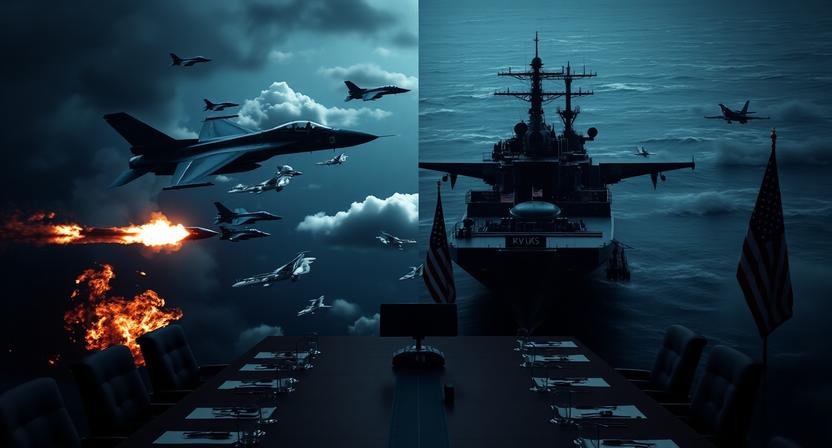
The involvement of high-level officials adds both weight and pressure to the مذاکرات. It raises expectations but also increases the stakes, making any failure more consequential.
Key Issues Blocking Progress
Strait of Hormuz Dispute
The Strait of Hormuz is more than just a waterway—it’s a strategic lifeline for global energy markets. Control over this narrow passage has become one of the most contentious issues in the US Iran Ceasefire negotiations.
The United States has taken steps to enforce sanctions and maintain maritime security, including seizing vessels linked to Iranian oil shipments. Iran, in turn, views these actions as aggressive and unjustified, arguing that they violate international law.
This dispute is like a tug-of-war, with both sides unwilling to let go. And as long as this issue remains unresolved, it will continue to be a major obstacle to any lasting agreement.
Nuclear Program Concerns
Another critical sticking point is Iran’s nuclear program. The United States insists on strict limitations and monitoring to prevent the development of nuclear weapons. Iran, however, views these demands as an infringement on its sovereignty.
This issue goes beyond technical details—it’s about trust, power, and national identity. For Iran, giving up its nuclear capabilities could mean losing a key bargaining chip. For the US, allowing Iran to continue its program poses a significant security risk.
Finding a middle ground here is incredibly challenging. It requires not just technical solutions but also political will and mutual trust—both of which are currently in short supply.
Global Impact of the US Iran Ceasefire
Oil Markets and Economic Ripple Effects
The global economy is closely tied to the stability of the Middle East, and the US Iran Ceasefire plays a pivotal role in that equation. Even minor developments in the مذاکرات can trigger significant changes in oil prices and financial markets.
More breaking international news coverage
Recent data shows that markets have reacted positively to the possibility of renewed talks, with modest gains observed across several Gulf indices. However, this optimism is fragile and could quickly reverse if negotiations collapse.
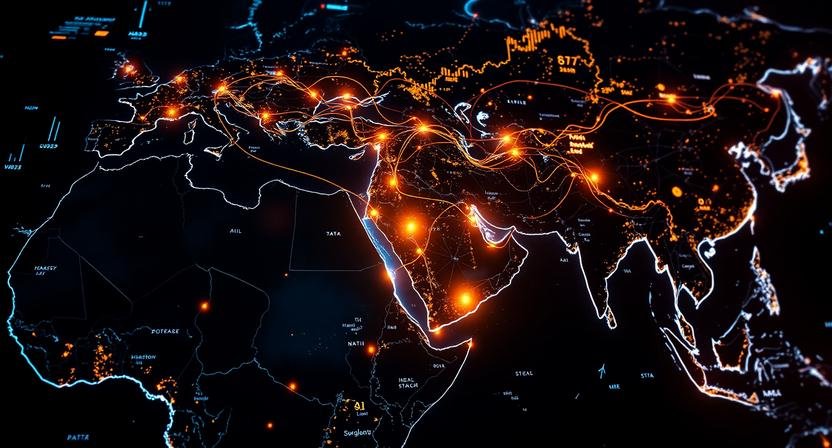
It’s like walking on a tightrope—one misstep could send markets tumbling. For businesses and governments alike, this uncertainty makes planning and decision-making extremely difficult.
Regional Security Concerns
Beyond economics, the ceasefire also has major implications for regional security. The conflict has already involved multiple actors, including allied groups and neighboring countries. Any escalation could draw in even more players, turning a bilateral conflict into a full-blown regional الحرب.
This is why diplomatic efforts are so critical. They are not just about resolving a single conflict but about preventing a much larger الأزمة that could have devastating consequences.
Possible Scenarios if Talks Fail
Renewed Military Conflict
If the Islamabad talks fail and the ceasefire expires without renewal, the most immediate risk is a return to military conflict. Both sides have indicated that they are prepared for this possibility, with warnings of intensified العمليات العسكرية.
Such a scenario would likely lead to increased casualties, infrastructure damage, and economic disruption. It could also trigger retaliatory actions from allied groups, further escalating the situation.
Diplomatic Fallout
Failure in negotiations could also have long-term diplomatic consequences. It would deepen mistrust between the US and Iran, making future talks even more difficult. It could also weaken Pakistan’s role as a mediator, affecting its international standing.
In many ways, the stakes are not just about the present but also about the future of diplomacy in the region.
What Happens Next?
Timeline and Ceasefire Deadline
The clock is ticking. The current ceasefire is set to expire within days, adding urgency to the situation. Every hour without a decision increases the risk of escalation.
This tight timeline puts immense pressure on all parties involved. It’s like a countdown to a critical moment—either a breakthrough or a breakdown.
Chances of Breakthrough
Despite the challenges, there is still hope for progress. Both sides have signaled a willingness to engage, even if reluctantly. The fact that talks are still being considered is, in itself, a positive sign.

However, achieving a breakthrough will require compromises that neither side has been willing to make so far. Whether those compromises will happen remains to be seen.
Conclusion
The uncertainty surrounding Iran’s decision to send a delegation to Islamabad highlights the fragile nature of the US Iran Ceasefire. With trust eroding, deadlines approaching, and global stakes rising, the situation remains highly volatile. Diplomacy is still on the table, but it’s walking a fine line between hope and انهيار.
FAQs
1. What is the US Iran Ceasefire?
The US Iran Ceasefire is a temporary agreement initiated in April 2026 to halt military conflict and allow diplomatic negotiations between the two nations.
2. Why is Iran hesitant to attend the Islamabad talks?
Iran cites alleged ceasefire violations and refuses to negotiate under military pressure from the United States.
3. What role does Pakistan play in these talks?
Pakistan acts as a neutral mediator, hosting negotiations and facilitating dialogue between the US and Iran.
4. What happens if the ceasefire ends without an agreement?
There is a high risk of renewed military conflict and increased regional instability.
5. Why is the Strait of Hormuz important in this conflict?
It is a critical global oil transit route, making it a key strategic and economic factor in the negotiations.