

Donald Gibb’s Rise and Fall: The Untold Dark Side of the Revenge of the Nerds Star
Table of Contents
Who Is Donald Gibb?
Early Life and Background
When you hear the name Donald Gibb, chances are your mind instantly flashes to a towering, loud, and unforgettable character shouting “NERDS!” at the top of his lungs. But long before he became a cult icon in Hollywood, Gibb was just a regular kid with extraordinary physical presence and athletic talent. Born in New York City in 1954, he later grew up in California, where sports quickly became a major part of his identity.
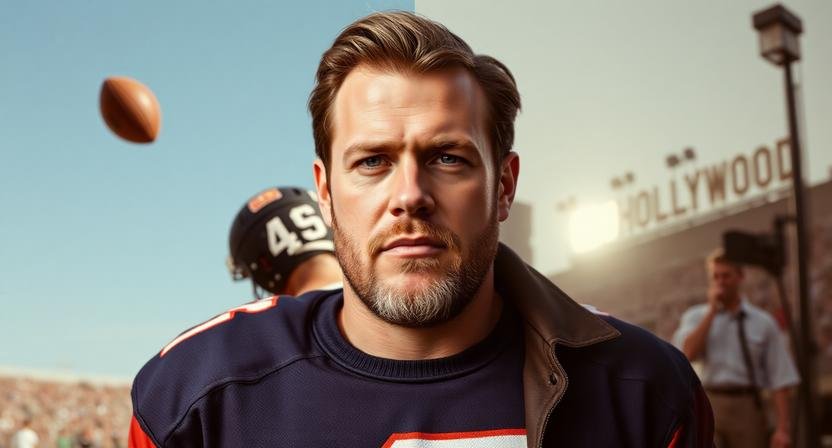
Standing at an imposing 6 feet 4 inches, Gibb wasn’t just big—he was built for competition. He earned a basketball scholarship to the University of New Mexico and later transferred to the University of San Diego, where he played football. His life at this stage seemed destined for a career in professional sports rather than entertainment. But life has a funny way of flipping the script when you least expect it.
What’s fascinating is how Gibb’s early life shaped his future roles. His athletic background, fraternity experience, and physical dominance would later become the blueprint for many of his on-screen characters. He wasn’t just acting like a jock—he had lived that life. That authenticity is exactly what made his performances feel so real and unforgettable.
From Athlete to Actor
Gibb’s transition from sports to acting wasn’t exactly smooth or planned. After a brief stint with the San Diego Chargers, his football dreams were cut short due to an injury from a car accident. That moment could have been the end of his story—but instead, it became the beginning of something entirely different.
Imagine being forced to give up your lifelong dream overnight. Most people would struggle to find direction, but Gibb took a leap into acting, starting with small, uncredited roles in films like Stripes and Conan the Barbarian. These early appearances may not have made headlines, but they were crucial stepping stones that helped him understand the industry.
At first, Hollywood didn’t quite know what to do with someone like Gibb. His massive frame and intense presence made him perfect for certain roles—but also limited him. He was often cast as the “tough guy,” the “biker,” or the “intimidating brute.” Little did anyone know that one particular role would soon define his entire career—and change his life forever.
The Breakthrough Role That Changed Everything
Becoming ‘Ogre’ in Revenge of the Nerds
If there’s one role that defined Donald Gibb, it’s undoubtedly “Ogre” from Revenge of the Nerds. Released in 1984, the film quickly became a cult classic, and Gibb’s portrayal of the loud, aggressive fraternity brother Frederick “Ogre” Palowaski stole the show.
Ogre wasn’t just a villain—he was a larger-than-life personality. From chugging beer out of trophies to throwing nerds off buildings, his character embodied the exaggerated stereotype of college jock culture. But here’s the twist: audiences loved him.
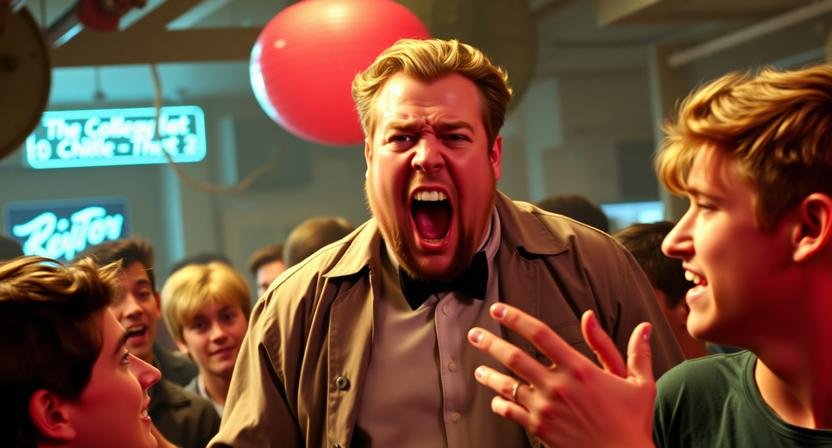
What made Ogre so compelling wasn’t just his physical dominance, but his unexpected humor and depth. Over time, the character evolved, even showing a softer side in later films. That transformation made him more than just a bully—it made him human.
Why Ogre Became a Cult Icon
Let’s be honest—plenty of movies have “big guy” characters, but very few leave a lasting impression like Ogre did. So what made him different?
First, it was Gibb’s natural charisma. He didn’t just play Ogre—he became him. His delivery, expressions, and sheer physical presence made every scene memorable. Second, the film itself tapped into universal themes of underdogs vs. bullies, making Ogre the perfect antagonist.
And finally, timing played a huge role. The 1980s were all about bold, exaggerated characters, and Ogre fit perfectly into that era. Fans still quote his lines decades later, proving that his impact goes far beyond the screen.
Hollywood Fame and Career Peak
Success Beyond Nerds
After the success of Revenge of the Nerds, Gibb found himself in high demand—but not necessarily in the way he might have hoped. He continued to land roles, including his memorable performance as Ray Jackson in Bloodsport, where he showcased both strength and emotional depth.
He also appeared in films like U.S. Marshals and Hancock, proving that he could adapt to different genres. However, the shadow of Ogre always followed him. It’s a double-edged sword—being known for an iconic role brings fame, but it can also limit opportunities.
Television Appearances and Fan Following
Gibb wasn’t just a movie star—he was a familiar face on television as well. He appeared in popular shows like MacGyver, The X-Files, Seinfeld, and Quantum Leap, often playing characters similar to his on-screen persona.
His longest-running TV role came in HBO’s 1st & Ten, where he played Leslie “Dr. Death” Krunchner for seven seasons. This role allowed him to expand his acting range while still leveraging his physical presence.
Fans loved him—not just for his roles, but for his personality. Off-screen, he was known as kind, humble, and approachable, a stark contrast to the intimidating characters he portrayed.
The Hidden Struggles Behind the Spotlight
Typecasting and Career Limitations
Here’s the harsh reality of Hollywood: once you’re known for a certain type of role, it’s incredibly hard to break out of it. For Donald Gibb, that meant being stuck as “the big guy” for most of his career.
Typecasting can feel like a cage. Sure, it keeps you employed, but it also prevents you from exploring your full potential. Gibb had the talent to do more, but the industry rarely gave him that chance.
The Pressure of Playing ‘The Big Guy’
There’s also a physical and emotional toll that comes with playing such roles. Maintaining a certain appearance, constantly being seen as intimidating—it can be exhausting.
Gibb’s characters often lacked vulnerability, even though he clearly had the ability to portray it. That disconnect between who he was and how he was perceived likely added another layer of complexity to his career.
Career Decline and Changing Industry Trends
Fewer Roles in the 2000s
As Hollywood evolved, so did its preferences. The kind of over-the-top characters that defined the 1980s became less common, and actors like Gibb found fewer opportunities.
His appearances became more sporadic, often limited to smaller roles or voice acting in video games.
Transition to Side Projects and Appearances
Instead of fading away completely, Gibb adapted. He made appearances at fan conventions, worked on personal projects, and even explored business ventures like promoting “Ogre beer.”
Personal Life Away from Hollywood
Family, Faith, and Private Battles
Away from the cameras, Gibb was a family man who deeply valued his loved ones. His son later shared that he had a strong faith and immense love for his family and fans.
Health Issues and Final Years
In his later years, Gibb faced health challenges that were largely kept private. Despite these struggles, he continued to connect with fans and reflect on his career.
The Shocking News of His Death
What Happened to Donald Gibb?
In May 2026, news broke that Donald Gibb had passed away at the age of 71 due to ongoing health complications at his home in Texas.
The announcement came from his family, who emphasized his love for life, faith, and the people around him.
Industry and Fan Reactions
Fans and colleagues quickly paid tribute, remembering him not just as Ogre, but as a genuinely kind human being. His death marked the end of an era for many who grew up watching his films.
The tragic news of Donald Gibb’s passing shocked fans across the world. According to reports from TMZ, the beloved actor passed away at the age of 71 after battling health complications. The announcement quickly spread across media outlets, with fans and celebrities alike sharing heartfelt tributes. His death marked the end of an era for those who grew up watching his unforgettable performances.
Legacy of Donald Gibb
Impact on Pop Culture
Gibb’s portrayal of Ogre remains one of the most iconic characters in comedy history. It’s the kind of role that transcends generations, continuing to entertain new audiences even today.
Why He Will Never Be Forgotten
Even though his career had ups and downs, his impact is undeniable. He may not have been a traditional Hollywood leading man, but he didn’t need to be. He carved out his own space—and owned it completely.
Conclusion
The story of Donald Gibb is a powerful reminder of how unpredictable life can be. From a promising athlete to a cult movie icon, his journey was anything but ordinary. While he faced challenges like typecasting and industry changes, he still managed to leave a lasting mark on entertainment. His legacy isn’t just about the roles he played—it’s about the joy he brought to millions of fans around the world.
FAQs
1. What is Donald Gibb best known for?
He is best known for playing Ogre in Revenge of the Nerds and Ray Jackson in Bloodsport.
2. How did Donald Gibb die?
He passed away in 2026 at the age of 71 due to health complications.
3. Was Donald Gibb a real athlete?
Yes, he played college football and briefly joined the San Diego Chargers.
4. Why did his career slow down?
Typecasting and changing Hollywood trends limited his opportunities.
5. What is his legacy?
He remains a cult icon, especially for his unforgettable role as Ogre.
News
If you want to keep up with trending celebrity updates and breaking stories like this, visit Global News Signal Latest Section for real-time updates and in-depth coverage.