



Sonny Rollins’ Giant Legacy: 7 Powerful Reasons Jazz Fans Still Worship Him Today
Table of Contents
The world of jazz lost one of its greatest giants in May 2026 when Sonny Rollins passed away at the age of 95. Tributes poured in from musicians, critics, and fans across the globe, all celebrating a man whose saxophone didn’t just make music — it told stories, challenged traditions, and inspired generations. Rollins was often called the “Saxophone Colossus,” a nickname that perfectly captured both his towering talent and his influence on modern jazz.
Even decades after his groundbreaking albums first appeared, jazz fans continue to worship his artistry. Why? Because Sonny Rollins represented something rare: fearless creativity mixed with emotional honesty. His improvisations felt alive, almost like conversations between the soul and the instrument. Listening to Rollins is like watching a master painter work without sketches, trusting instinct completely while somehow still creating perfection.
According to The Guardian, Sonny Rollins passed away at the age of 95, leaving behind one of the most influential legacies in jazz history. The report described him as a “colossus of jazz saxophone” and highlighted his groundbreaking collaborations with legends like Miles Davis, Thelonious Monk, and John Coltrane.
The Rise of a Harlem Jazz Prodigy
Early Life and Musical Influences
Born in Harlem in 1930, Sonny Rollins grew up during one of the most exciting periods in American music history. Harlem wasn’t just a neighborhood at the time — it was a living orchestra. Jazz clubs echoed through the streets, and legends seemed to appear around every corner. Young Rollins absorbed everything around him like a sponge. He first experimented with piano, but eventually fell in love with the tenor saxophone, the instrument that would later define his identity. Influenced by giants like Louis Armstrong and Coleman Hawkins, Rollins developed a style that balanced technical brilliance with emotional depth.
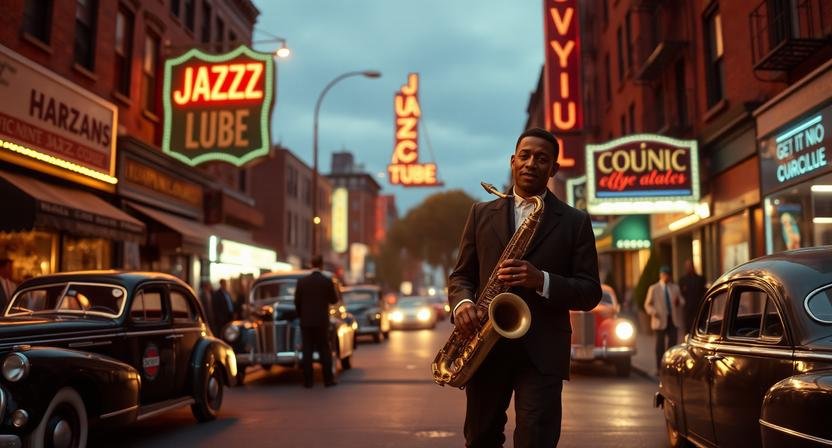
What made him stand out so early was his hunger to learn. Many musicians simply copied the sounds of their heroes, but Rollins constantly searched for something original. He practiced relentlessly and approached music almost like a scientist conducting experiments. Every note mattered. Every pause had purpose. That obsession with improvement became one of the defining characteristics of his career and helped him evolve from a promising young player into a global jazz icon.
How Bebop Shaped Young Sonny Rollins
The bebop era exploded during Rollins’ teenage years, and it transformed his understanding of music forever. Bebop wasn’t safe or predictable. It was fast, intellectual, emotional, and rebellious all at once. Artists like Charlie Parker and Dizzy Gillespie pushed jazz into new territory, and Rollins eagerly followed that path. Yet even within bebop’s complexity, Rollins managed to carve out his own voice.
Instead of simply showing off technical speed, he focused heavily on storytelling through improvisation. That’s why his solos often feel conversational rather than mechanical. Jazz critics frequently praised his ability to take tiny musical ideas and stretch them into unforgettable performances. This talent later became one of the biggest reasons fans admired him so deeply. He didn’t just play notes; he built emotional journeys.
Why Sonny Rollins Became the “Saxophone Colossus”
The Story Behind the Legendary Nickname
The nickname “Saxophone Colossus” wasn’t marketing hype. It came directly from the overwhelming impact Rollins had on jazz music. His 1956 album Saxophone Colossus became one of the most influential jazz recordings ever released and cemented his reputation as a once-in-a-generation talent. Critics and musicians alike recognized that Rollins had elevated the tenor saxophone to an entirely new level.
The album included legendary tracks like “St. Thomas,” which blended Caribbean rhythms with modern jazz sophistication. That track alone showcased Rollins’ unique ability to combine technical complexity with pure joy. Listening to it feels like standing in sunlight after days of rain — warm, energetic, and impossible to ignore.
Albums That Changed Jazz Forever
Rollins recorded numerous masterpieces during his career, but a few stand above the rest because of their cultural impact.
| Album | Release Year | Why It Matters |
|---|---|---|
| Saxophone Colossus | 1956 | Defined hard bop and modern tenor saxophone |
| Way Out West | 1957 | Innovative trio format with adventurous improvisation |
| The Bridge | 1962 | Marked Rollins’ triumphant comeback after hiatus |
| Freedom Suite | 1958 | Bold political and artistic statement |
| A Night at the Village Vanguard | 1958 | One of the greatest live jazz recordings ever |
These albums didn’t merely entertain listeners. They challenged musicians to rethink what jazz could become.
Reason #1 – His Improvisation Was Pure Genius
Turning Simple Melodies Into Magic
Improvisation is the heartbeat of jazz, and Sonny Rollins mastered it like few others ever have. Many saxophonists could play fast scales or complex chord changes, but Rollins had a gift for making improvisation feel spontaneous and deeply human. He could take a simple melody and stretch it into something emotional, humorous, unpredictable, and brilliant all at once.
Fans often describe his solos as conversations. One moment, his saxophone sounded playful and teasing. The next, it became reflective and philosophical. That emotional range is why his music still resonates decades later. In a world increasingly dominated by digital perfection and formulaic songwriting, Rollins reminds listeners what raw creativity sounds like.
Critics frequently compared his improvisational style to storytelling because of the way he developed musical ideas over time. He didn’t rush. He explored. He questioned. He answered. His solos unfolded naturally, almost like chapters in a novel. That approach influenced countless jazz musicians and helped define modern improvisation itself.
Reason #2 – He Redefined Jazz Practice and Discipline
The Famous Williamsburg Bridge Sessions
One of the most legendary stories in jazz history involves Sonny Rollins disappearing from public performance at the height of his fame. Imagine becoming one of the world’s biggest musicians and then suddenly walking away because you believed you could still improve. That’s exactly what Rollins did in the late 1950s.
Unsatisfied with his playing, he began practicing alone on New York’s Williamsburg Bridge, where he could rehearse for hours without disturbing neighbors. The image of Rollins standing on that bridge, blowing his saxophone into the wind while searching for perfection, became symbolic of artistic dedication.
This period transformed his career completely. When he returned with the album The Bridge, audiences heard a more mature, focused, and fearless musician. The story continues to inspire artists far beyond jazz because it represents something universal: greatness requires humility and relentless self-improvement.
Reason #3 – Sonny Rollins Fearlessly Experimented
Mixing Calypso, Bebop, and Hard Bop
Many jazz artists become trapped by expectations, repeating formulas that audiences already love. Sonny Rollins refused to do that. He constantly experimented with rhythm, structure, and genre. One of his boldest moves was blending Caribbean calypso influences into mainstream jazz.
His Caribbean roots deeply influenced his musical identity, and he proudly incorporated those sounds into compositions that felt both accessible and innovative. While some critics initially questioned this approach, audiences quickly embraced it because the music felt alive and joyful.
Rollins understood something many musicians forget: innovation keeps art alive. By refusing to stay confined within strict jazz traditions, he helped expand the genre’s emotional and cultural possibilities.
Why “St. Thomas” Became Iconic
“St. Thomas” remains one of the most recognizable jazz compositions ever recorded. Inspired by Caribbean folk melodies connected to his family heritage, the song radiates energy and freedom. It feels effortless on the surface, but beneath that playful rhythm lies extraordinary musical sophistication.
Even today, jazz students around the world study “St. Thomas” to understand phrasing, improvisation, and rhythmic creativity. The song became more than a jazz standard — it became a bridge between cultures.
Reason #4 – He Collaborated With Jazz Royalty
Working Alongside Miles Davis and Thelonious Monk
Few musicians in history can claim collaborations with legends like Miles Davis, Thelonious Monk, and John Coltrane, but Sonny Rollins shared the stage and studio with all of them.
These collaborations mattered because Rollins wasn’t overshadowed by greatness — he contributed to it. His sessions with Miles Davis helped shape hard bop, while his work with Monk highlighted his ability to adapt to highly unconventional harmonic structures.
Musicians respected Rollins not only for his technical skill but also for his fearlessness. He could enter any musical environment and still sound unmistakably like himself. That individuality became one of his defining strengths and helped cement his status among jazz immortals.
Reason #5 – His Live Performances Were Legendary
The Energy of Village Vanguard Recordings
Studio albums captured Sonny Rollins’ brilliance, but live performances revealed his true magic. His recordings at the Village Vanguard remain among the greatest live jazz albums ever produced because they showcase his improvisational courage in real time.
Listeners never knew where Rollins might go during a performance. He could stretch melodies into unexpected directions, pause dramatically for tension, or suddenly unleash explosive bursts of creativity. That unpredictability kept audiences completely engaged.
Reddit communities filled with jazz fans continue praising those performances today, with many calling the Village Vanguard sessions essential listening for anyone serious about jazz.
Reason #6 – He Inspired Generations of Saxophonists
Modern Artists Influenced by Sonny Rollins
It’s almost impossible to discuss modern tenor saxophone without mentioning Sonny Rollins. Countless musicians credit him as a major influence because of his tone, phrasing, and improvisational philosophy.
What makes his influence so powerful is its emotional depth. Many musicians can imitate technique, but very few can replicate the honesty embedded in Rollins’ playing. He approached jazz as both entertainment and self-discovery, encouraging younger artists to search for their own unique voices rather than simply copying trends.
Across Reddit and jazz communities today, fans continue sharing stories about learning Rollins solos as beginners or discovering albums like The Bridge and Saxophone Colossus for the first time.
Reason #7 – His Legacy Transcends Music
Spirituality, Philosophy, and Personal Growth
Sonny Rollins wasn’t just a musician. He was also a thinker deeply interested in spirituality, philosophy, yoga, and personal evolution. Friends and critics often described him as introspective and constantly searching for deeper meaning in life.
That spiritual curiosity shaped his music profoundly. His solos often felt meditative, almost like prayers spoken through a saxophone. Even late in life, Rollins emphasized growth over fame. Awards mattered less to him than artistic honesty.
This mindset explains why fans admired him beyond his technical achievements. He represented integrity in an industry often obsessed with commercial success.
Sonny Rollins’ Most Essential Albums
If you’re new to Sonny Rollins, these albums provide the perfect introduction:
| Album | Best For | Standout Track |
|---|---|---|
| Saxophone Colossus | Classic jazz lovers | “St. Thomas” |
| The Bridge | Emotional and mature jazz | “Without a Song” |
| Way Out West | Experimental improvisation | “I’m an Old Cowhand” |
| Freedom Suite | Political jazz expression | “Freedom Suite” |
| Tenor Madness | Bebop enthusiasts | “Tenor Madness” |
Each album reveals a different side of Rollins’ artistry, proving why his catalog remains essential listening today.
The Lasting Cultural Impact of Sonny Rollins
The death of Sonny Rollins in 2026 triggered emotional reactions across the music world because people understood they were witnessing the end of an era. Major publications described him as one of the most influential jazz musicians of all time, while fans online shared personal stories about how his music shaped their lives.
What makes Rollins unique is that his influence extends far beyond jazz circles. Rock musicians admired him. Classical composers respected him. Hip-hop producers sampled him. Young saxophonists still study him obsessively. His music continues crossing generational boundaries because authenticity never becomes outdated.
Rollins proved that artistic greatness isn’t about perfection. It’s about courage — the courage to evolve, experiment, fail, improve, and keep searching for truth through creativity.
The passing of Sonny Rollins marked the end of an extraordinary era in jazz history, with major outlets like The Guardian highlighting his unmatched influence on modern improvisational music. For more celebrity news, music updates, and global headlines, visit Global News Signal
Conclusion
Sonny Rollins leaves behind more than albums and awards. He leaves behind a philosophy of fearless creativity and lifelong growth. His saxophone became a voice for joy, struggle, curiosity, discipline, and spiritual exploration. Few artists in any genre have balanced technical mastery with emotional honesty so effectively.
Jazz fans still worship Sonny Rollins today because his music feels timeless. It speaks to something deeply human — the desire to express ourselves honestly while constantly striving to become better versions of who we are. That legacy will continue inspiring musicians and listeners for generations to come.
FAQs
1. Why is Sonny Rollins called the “Saxophone Colossus”?
The nickname came from his groundbreaking 1956 album Saxophone Colossus, which established him as one of the greatest tenor saxophonists in jazz history.
2. What is Sonny Rollins’ most famous song?
“St. Thomas” is widely considered his most famous composition because of its catchy Caribbean rhythm and innovative jazz improvisation.
3. Did Sonny Rollins work with Miles Davis?
Yes, Sonny Rollins collaborated with Miles Davis during the early hard bop era and contributed to several important jazz recordings.
4. Why did Sonny Rollins practice on the Williamsburg Bridge?
He sought solitude to improve his playing without disturbing neighbors, using the bridge as a personal practice space during his temporary retirement from performing.
5. What made Sonny Rollins different from other jazz musicians?
His combination of fearless improvisation, emotional storytelling, spiritual depth, and constant experimentation made him unique among jazz artists.