
Where Is Kharg Island Located on the Map?
If you look at a Kharg Island map, the first thing you’ll notice is how small the island actually is. It sits in the northern Persian Gulf, about 25–30 kilometers off the coast of Iran. At first glance, it appears to be just a small coral island surrounded by blue waters and oil tankers. Yet in the world of geopolitics and energy markets, this tiny island carries enormous weight. When news outlets like the New York Times highlight the location on maps, they aren’t just showing geography—they’re revealing a strategic nerve center of global energy.
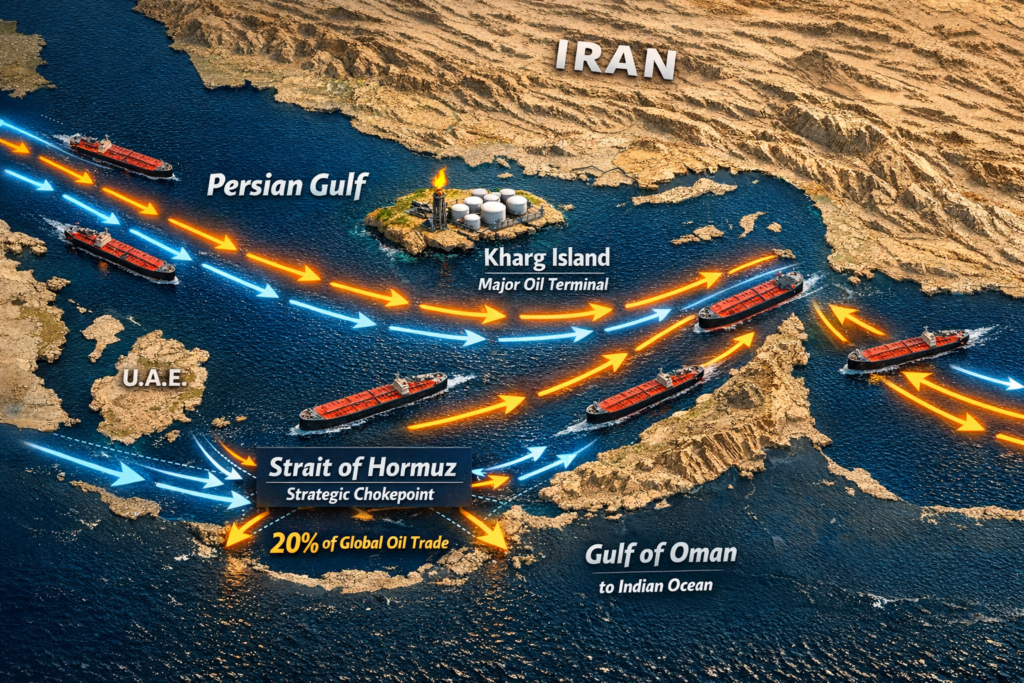
Kharg Island is roughly five miles long, but its importance far exceeds its size. Pipelines from Iran’s massive oil fields in the interior of the country run directly to this island. From there, giant oil tankers load crude and ship it across the world. In many ways, the island functions like a giant energy gateway connecting Iran’s resources to the global market. Without it, Iran’s oil exports would face massive disruption.
Another reason the Kharg Island Iran location matters is its proximity to the Strait of Hormuz, one of the world’s most critical shipping routes. Every day, millions of barrels of oil pass through this narrow waterway. That means any conflict near Kharg Island has the potential to ripple across global energy markets and international politics. When the Iran war plane crash and subsequent military tensions occurred near this region, analysts immediately began studying maps and satellite images to understand the implications.
In simple terms, the reason everyone suddenly started searching for “Kharg Island map” online is because this small island sits right at the crossroads of energy, military strategy, and global power politics.
Why Kharg Island Matters to Iran’s Economy
To understand the real significance of Kharg Island Iran, imagine a country with a single major port through which most of its wealth flows. That’s essentially what Kharg Island represents for Iran. Analysts estimate that about 90% of Iran’s crude oil exports pass through this island.
Oil is the backbone of Iran’s economy. It funds government programs, infrastructure projects, and military spending. So when you hear about tensions or strikes near Kharg Island, it’s not just another military story—it’s a potential economic earthquake. The island has massive storage tanks capable of holding around 30 million barrels of oil, with roughly 18 million barrels stored there at times.
Think of Kharg Island like the central valve of Iran’s energy system. If that valve gets damaged or shut off, the entire economic pipeline could slow down or stop. That’s why military strategists often describe Kharg as Iran’s “economic lifeline.” The infrastructure there includes loading terminals, pipelines, radar installations, and shipping docks designed specifically for giant crude carriers.
There’s another layer to the story. The island also plays a huge role in global energy markets. Countries like China import large volumes of Iranian oil, meaning any disruption could affect international prices. Even rumors of attacks on the island have historically pushed oil prices higher because traders fear supply shortages.
So when news broke about conflict near Kharg Island, analysts weren’t just thinking about military strategy. They were thinking about global oil prices, economic stability, and the potential shock to international markets.
The Iranian War Plane Crash Near Kharg Island
What Reports Say About the Crash
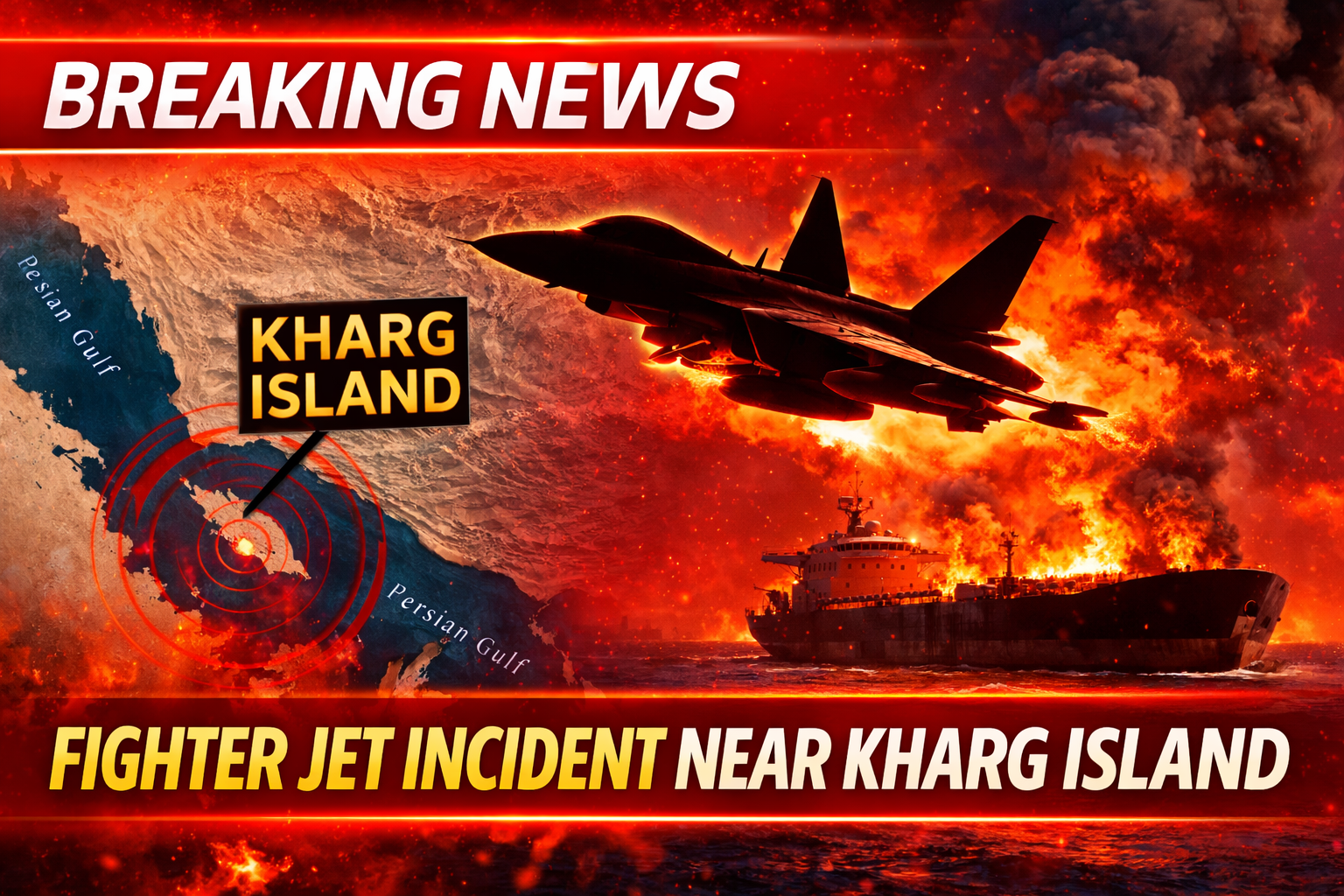
The Iran war plane crash near Kharg Island quickly became a major headline in global news coverage. Reports suggest the incident occurred amid rising tensions in the Persian Gulf, where military forces from multiple countries have increased their presence. In such a volatile environment, even a single accident or confrontation can trigger widespread speculation.
Military analysts began piecing together satellite imagery, radar data, and eyewitness reports. Questions started circulating almost immediately. Was the crash purely accidental? Was it linked to ongoing military operations in the region? Or was it connected to broader tensions between Iran and Western forces?

The timing of the crash made the situation even more dramatic. It happened during a period when airstrikes and military operations were already intensifying across the region. Some analysts suggested that heavy aerial activity and electronic warfare in the Persian Gulf might have contributed to navigation errors or equipment failures.
Another factor fuelling speculation was the sensitive location. When a military aircraft crashes near a place like Kharg Island, analysts automatically consider strategic implications. After all, the island isn’t just another coastal location—it’s one of the most heavily monitored and strategically important energy hubs in the Middle East.
Because information from conflict zones often arrives slowly and sometimes contradicts itself, global audiences turned to detailed maps and satellite images. That’s why the New York Times map showing Kharg Island’s location and infrastructure quickly went viral, helping readers visualize the potential stakes of the incident.
How the Incident Sparked Global Attention
News travels fast in the digital age, but certain stories explode across the internet almost instantly. The Kharg Island incident was one of those stories. Within hours, social media platforms were flooded with satellite maps, military analysis threads, and debates about what might happen next.
One reason the story gained such momentum is that the island sits at the intersection of several high-stakes geopolitical issues. There’s the ongoing U.S.–Iran tension, the importance of global oil supply routes, and the fragile security situation in the Persian Gulf. When you combine all those factors with a military aircraft crash, you have the perfect recipe for worldwide attention.
Another key driver of the story’s popularity was media coverage. Major outlets highlighted how strategic the island is, explaining why any incident near it could have global consequences. Readers who had never heard of Kharg Island before suddenly found themselves studying maps and learning about tanker routes.
The crash also sparked debates among defense analysts. Some experts argued that the incident could signal increased military risk in the region. Others suggested it might simply be an isolated accident that happened during a tense moment. Either way, the event reminded the world just how fragile the balance of power can be in one of the most strategically important waterways on Earth.
Why the Kharg Island Map Went Viral
Strategic Location Near the Strait of Hormuz
To understand why the Kharg Island map suddenly appeared everywhere online, you have to zoom out and look at the broader geography. Just south of Iran lies the Strait of Hormuz, a narrow waterway connecting the Persian Gulf to the open ocean. This passage is one of the most important energy corridors in the world.

Every day, roughly 20% of global oil shipments pass through this strait, making it one of the busiest and most strategically sensitive maritime routes on the planet. Any military conflict near this chokepoint could disrupt shipping and send energy prices soaring.
Kharg Island sits close enough to this route that its security directly affects tanker traffic. If something were to block or damage the island’s export terminals, oil shipments from Iran could slow dramatically. And if tensions escalate further, shipping through the Strait of Hormuz itself could become risky.
This is why geopolitical analysts often describe the region as a kind of “pressure valve” for the global economy. When tensions rise here, the entire world pays attention.
Military and Energy Infrastructure on Kharg
Another reason Kharg Island attracts so much attention is the concentration of critical infrastructure packed onto a relatively small piece of land. The island hosts oil storage tanks, pipelines, loading docks, radar systems, and military installations.
From a strategic standpoint, this makes the island both valuable and vulnerable. A successful attack on key facilities could disrupt Iran’s oil exports for months or even years. That’s why many governments tread carefully when considering any military action in the area.
Recent reports indicate that military targets on Kharg Island were struck during escalating tensions, though key oil facilities were reportedly left intact. This distinction matters a lot. Destroying military installations sends a political and strategic message, but attacking oil infrastructure could trigger massive economic consequences worldwide.
For now, the island remains a focal point in the evolving geopolitical drama of the Persian Gulf.
Conclusion
The sudden global attention surrounding Kharg Island Iran is no coincidence. This small island sits at the heart of a complex web of energy infrastructure, geopolitical tension, and military strategy. The Iran war plane crash, combined with reports of military strikes and growing tensions in the region, has brought the island back into the international spotlight.
What makes Kharg Island so important isn’t just its location—it’s its role as the backbone of Iran’s oil export system. With roughly 90% of the country’s crude shipments flowing through the island, any disruption there could send shockwaves through global energy markets.
As tensions continue to evolve, analysts, governments, and energy traders will keep watching Kharg Island closely. Sometimes the most important places in world politics aren’t the biggest cities or capitals—they’re small islands quietly shaping the global balance of power.
FAQs
1. Where is Kharg Island located?
Kharg Island is located in the northern Persian Gulf, about 25–30 kilometers off the coast of Iran.
2. Why is Kharg Island important?
It is Iran’s main oil export terminal, handling about 90% of the country’s crude oil exports.
3. What happened near Kharg Island recently?
Reports indicate a military aircraft crash and airstrikes on military targets, increasing global attention on the region.
4. Why is the Strait of Hormuz important?
It is one of the world’s most critical oil shipping routes, carrying about 20% of global oil supplies.
5. Could conflict near Kharg Island affect global oil prices?
Yes. Because the island is central to Iran’s oil exports, any disruption could influence global energy markets and oil prices.