





Brutal Snow Storm Alert: 5 Dangerous Reasons Drivers Should Avoid I-80 Now
Table of Contents
Understanding the Current Snow Storm Situation
Latest Weather Warnings Across I-80 and Donner Pass
Right now, the snow storm gripping major U.S. mountain corridors—especially Interstate 80 over Donner Pass—is anything but ordinary. Recent weather alerts indicate a powerful Pacific storm system pushing across California into Colorado, bringing intense snowfall, strong winds, and hazardous driving conditions. According to meteorological reports, this storm is expected to deliver up to 48 inches of snow in some mountain regions, with a high probability of heavy snowfall between May 4 and May 6.
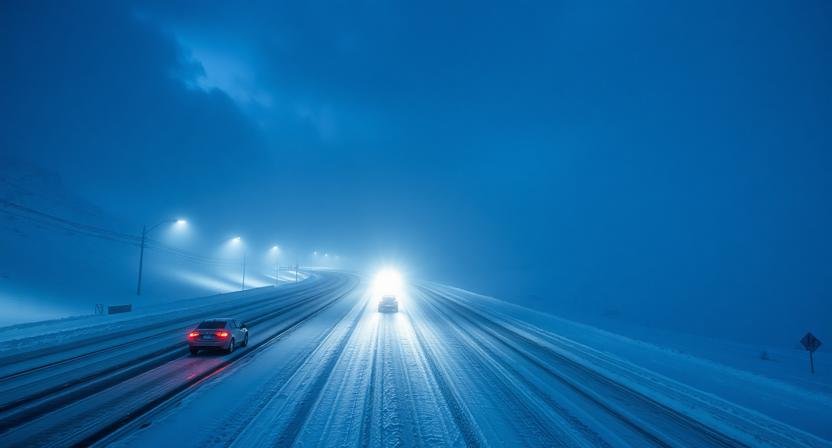
What makes this situation even more alarming is the combination of snow, wind, and rapidly dropping temperatures. Snow levels are forecast to fall as low as 4,500 feet, meaning even areas that usually escape heavy snow are now at risk. The Sierra Nevada region, particularly around Donner Pass, has already seen repeated winter storm warnings in recent weeks, highlighting a dangerous pattern rather than a one-off event.
Severe weather systems like snow storms often come with additional risks such as flooding, strong winds, and rapid temperature changes. For example, recent reports highlight how storm activity can trigger dangerous flooding conditions in multiple regions 👉 https://www.ksat.com/weather/2026/05/01/rounds-of-storms-could-bring-flooding-through-friday-evening/
Travel advisories are clear: conditions can deteriorate quickly, turning a routine drive into a life-threatening journey. Authorities repeatedly warn that travel may become “very difficult to impossible,” a phrase that should not be taken lightly. These warnings are based on real-time data and past incidents, not exaggeration.
How Severe Is This Snow Storm in 2026?
If you’re wondering whether this storm is just another seasonal inconvenience, think again. This snow storm is part of a series of unusually intense late-season storms hitting the western United States in 2026. Experts have classified the snow risk in some areas as “moderate,” which, in meteorological terms, signals a serious event with widespread impact.
In previous weeks, similar storms dumped up to 5 feet of snow across the Sierra Nevada, accompanied by wind gusts reaching 90 mph. That’s not just heavy snowfall—it’s a full-blown blizzard scenario capable of shutting down highways, stranding vehicles, and causing power outages for tens of thousands of residents.
To put it into perspective, snowfall rates during these storms have reached 3–4 inches per hour, creating near-instant accumulation that overwhelms road crews and snowplows. Imagine trying to drive while the road disappears beneath you faster than it can be cleared—that’s the reality drivers face.
Why I-80 Is One of the Most Dangerous Routes During a Snow Storm
Geography and Elevation Risks
Interstate 80, especially over Donner Pass, is notorious for its challenging terrain. The highway cuts through steep mountain ranges at elevations exceeding 7,000 feet, where weather conditions are not only harsher but also far less predictable. When a snow storm hits, this route becomes a perfect storm of danger—literally.
High elevations mean colder temperatures, which in turn lead to rapid ice formation on road surfaces. Combine that with winding roads and steep inclines, and you’ve got a recipe for disaster. Even experienced drivers can struggle to maintain control, especially when visibility drops and traction disappears.
Microclimates and Sudden Weather Changes
One of the most underestimated risks on I-80 is the presence of microclimates. You might start your journey under clear skies, only to drive straight into a blizzard within minutes. This unpredictability makes it incredibly difficult for drivers to prepare or react effectively.
Think of it like walking into a dark room without warning—you don’t have time to adjust. On I-80, that “dark room” is often a wall of snow and wind that appears suddenly, leaving drivers disoriented and vulnerable.
Reason #1: Whiteout Conditions That Blind Drivers
What Causes Whiteouts
Whiteout conditions are one of the most terrifying aspects of any snow storm, and they are especially common on I-80. These occur when heavy snowfall combines with strong winds, blowing snow across the road and completely obscuring visibility.
In severe cases, visibility can drop to less than a quarter mile—or even zero. Imagine driving at highway speed and suddenly being unable to see anything—not the road, not other vehicles, not even the lane markings. That’s what drivers face during a whiteout.
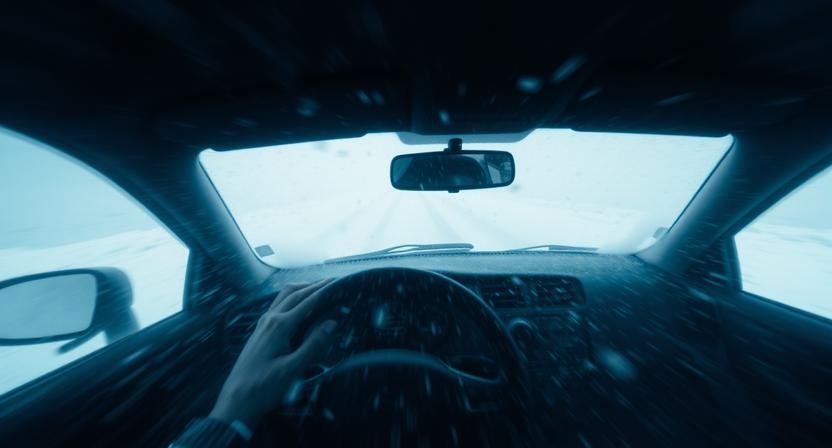
This isn’t just inconvenient—it’s deadly. Without visual cues, drivers can easily drift off the road, collide with other vehicles, or become stranded. Whiteouts turn even short trips into high-risk situations, making it nearly impossible to navigate safely.
Reason #2: Extreme Snowfall Blocking Roads
Snow Accumulation Rates and Impact
Heavy snowfall is more than just a nuisance—it’s a major hazard. During recent storms, some areas along I-80 have experienced snowfall rates of up to 3 inches per hour, quickly burying roads and vehicles.
This rapid accumulation overwhelms snow removal efforts, leading to road closures and traffic standstills. In some cases, entire stretches of the highway have been shut down due to unsafe conditions.
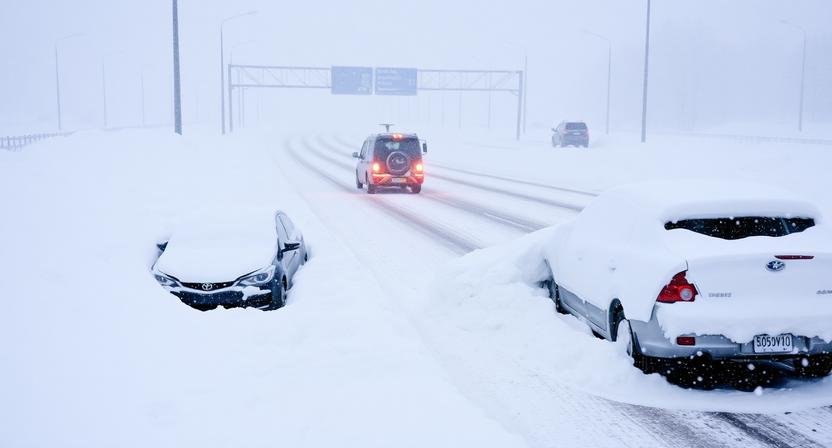
Picture this: you’re driving along, and within an hour, the road is covered in several inches of snow, with more falling rapidly. Your tires lose grip, your speed drops, and suddenly you’re stuck—along with hundreds of other drivers. That’s the reality of extreme snowfall on I-80.
Reason #3: Dangerous Wind Gusts and Icy Roads
Wind Speeds and Their Effects on Vehicles
Wind is often overlooked, but during a snow storm, it can be just as dangerous as the snow itself. Gusts of up to 90 mph have been recorded in recent storms, strong enough to push vehicles off course or even tip over high-profile vehicles like trucks.
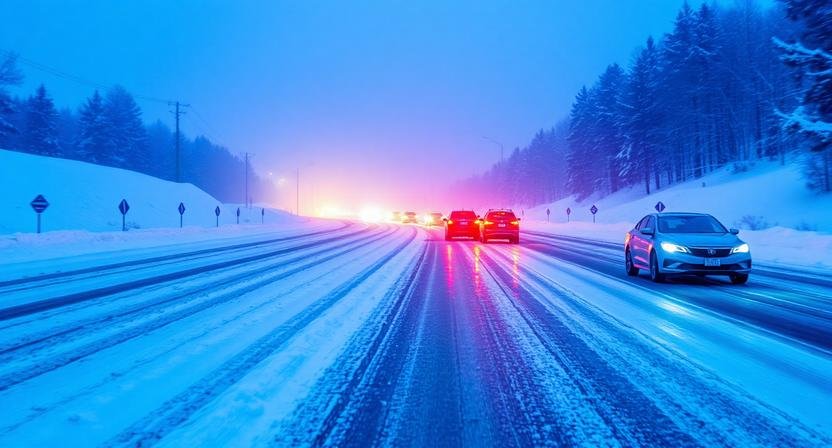
These winds also contribute to ice formation by rapidly cooling road surfaces. The result? Black ice—an invisible hazard that causes vehicles to skid uncontrollably.
Driving on icy roads is like walking on glass while wearing socks—you might feel stable one moment and completely lose control the next. That unpredictability is what makes these conditions so dangerous.
Reason #4: Chain Controls and Road Closures
What Are Chain Controls?
During severe storms, authorities often implement chain controls, requiring vehicles to use tire chains for added traction. While this measure improves safety, it also slows traffic and creates bottlenecks.
In extreme cases, authorities may close the highway entirely. Recent storms have forced full closures of I-80 due to spinouts and unsafe conditions.
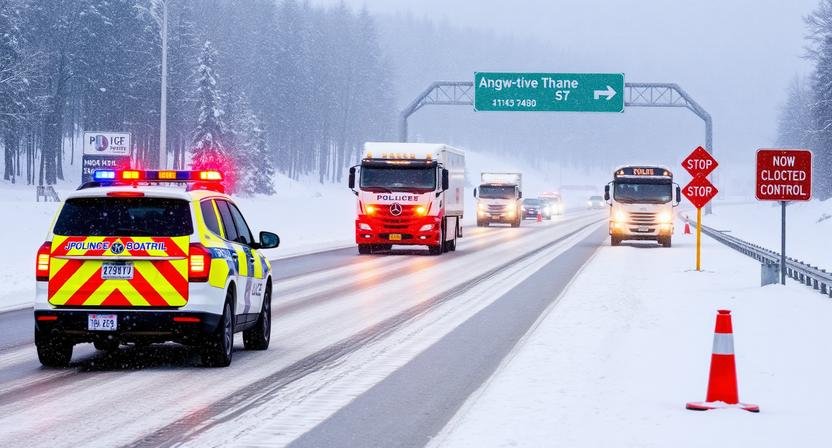
For drivers, this means long delays, unexpected stops, and the possibility of being stranded in freezing conditions. It’s not just about inconvenience—it’s about survival.
Reason #5: High Risk of Accidents and Stranded Drivers
Real Incidents from Recent Storms
Recent snow storms have led to numerous accidents, with vehicles spinning out and blocking lanes. In some cases, drivers have been stranded for hours, waiting for assistance.
Emergency responders have reported being overwhelmed during these events, struggling to reach those in need due to hazardous conditions.
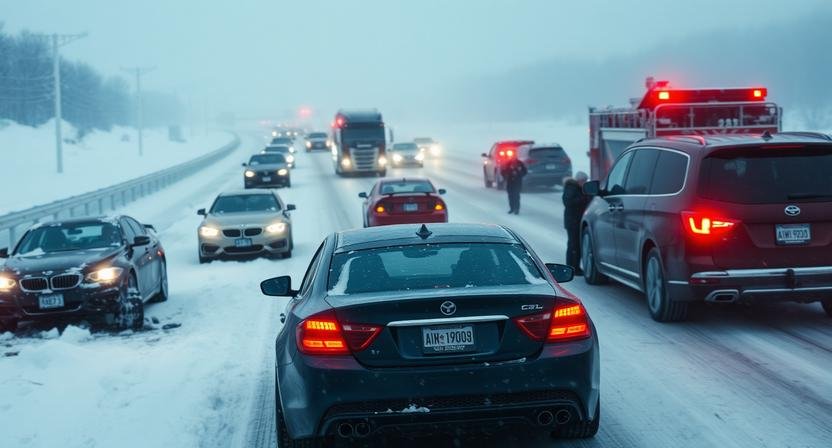
When accidents happen in a snow storm, they often trigger a chain reaction—one crash leads to another, creating massive traffic jams and increasing the risk for everyone on the road.
Comparison: Driving in Normal vs Snow Storm Conditions
| Condition | Normal Driving | Snow Storm Driving |
|---|---|---|
| Visibility | Clear | Near zero |
| Road Surface | Dry | Snowy/Icy |
| Speed | Consistent | Slow/Unpredictable |
| Risk Level | Low | Extremely High |
| Travel Time | Predictable | Delayed/Unknown |
How Authorities Respond During Snow Storm Emergencies
Role of Weather Services and Highway Patrol
Authorities play a critical role during a snow storm, issuing warnings, monitoring conditions, and coordinating emergency responses. Weather services provide real-time updates, while highway patrol units manage traffic and assist stranded drivers.
Despite these efforts, the sheer intensity of storms can overwhelm resources, making it essential for drivers to heed warnings and avoid unnecessary travel.
Expert Advice: Should You Drive or Stay Home?
Most experts agree on one thing: if you don’t absolutely need to travel, stay home. The risks far outweigh the benefits, especially during severe storms.
Driving in these conditions isn’t just about skill—it’s about survival. Even experienced drivers can find themselves in dangerous situations due to factors beyond their control.
Safety Tips If You Must Travel
Essential Winter Driving Checklist
- Carry tire chains and know how to use them
- Keep an emergency kit with food, water, and blankets
- Check weather updates before leaving
- Drive slowly and maintain a safe distance
- Be prepared to turn back if conditions worsen
Economic and Travel Impact of Snow Storms
Snow storms don’t just affect drivers—they disrupt entire regions. Road closures impact supply chains, delay deliveries, and affect tourism. Businesses lose revenue, and travelers face cancellations and delays.
Climate Trends and Increasing Snow Storm Intensity
Recent years have shown a trend toward more intense and unpredictable weather events. Climate shifts are contributing to stronger storms, making it more important than ever to stay informed and prepared.
Conclusion
The current snow storm is a powerful reminder of how quickly conditions can turn dangerous on I-80. From whiteouts and heavy snowfall to strong winds and road closures, the risks are real and immediate. Avoiding travel during these conditions isn’t just smart—it’s essential for your safety.
For the latest updates and breaking stories, visit our latest news section 👉 https://globalnewssignal.com/category/latest/
FAQs
1. Why is I-80 so dangerous during a snow storm?
Because of its high elevation, steep terrain, and unpredictable weather, which combine to create hazardous driving conditions.
2. How much snow is expected in this storm?
Up to 48 inches in some mountain areas, depending on elevation and location.
3. What are chain controls?
Regulations requiring vehicles to use tire chains to improve traction on snowy or icy roads.
4. Can experienced drivers safely travel during a snow storm?
Even experienced drivers face significant risks due to poor visibility and road conditions.
5. What should I do if I get stranded?
Stay in your vehicle, use emergency supplies, and wait for assistance.