





Denver Airport Update: 3 Positive Outcomes After Frontier Airlines 4345 Emergency Landing
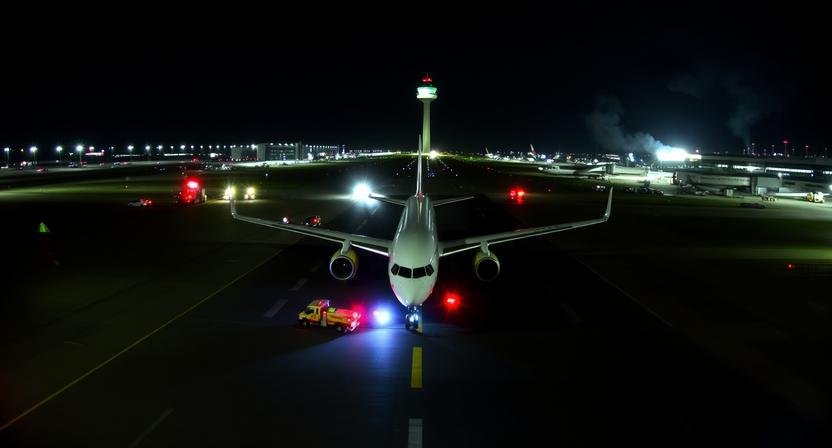
Table of Contents
What Happened at Denver Airport?
Late on May 8, 2026, a shocking and tragic aviation incident unfolded at denver airport, officially known as Denver International Airport. Frontier Airlines Flight 4345, an Airbus A321neo carrying 231 people, was preparing for takeoff when something unimaginable occurred. During the takeoff roll, the aircraft struck a person on the runway, triggering an engine fire and forcing an immediate abort of the takeoff.
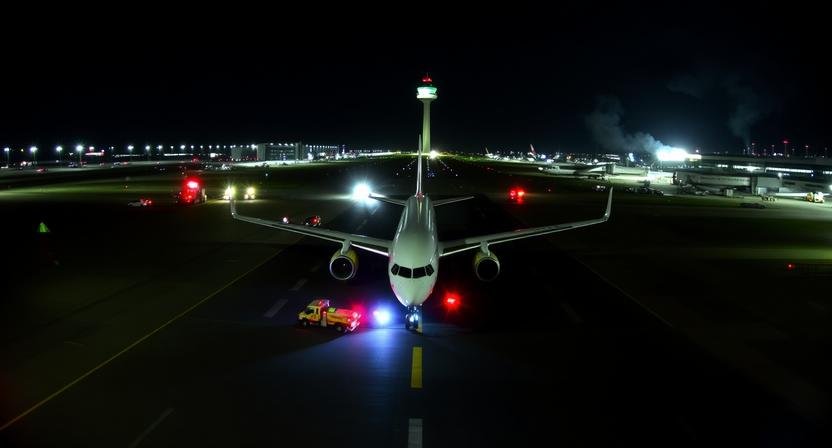
This wasn’t just another routine aviation disruption—it was a high-stakes emergency that demanded split-second decisions. The pilot quickly communicated with air traffic control, reporting both the collision and the presence of smoke in the aircraft. Within moments, emergency procedures were activated, and what could have escalated into a catastrophic disaster was instead brought under control.
A shocking incident recently unfolded at denver airport, where Frontier Airlines Flight 4345 was forced into an emergency evacuation after an engine fire. According to reports from ABC7 News, the aircraft struck a person on the runway, triggering a rapid response from emergency crews.
Timeline of Frontier Airlines Flight 4345 Incident
The sequence of events unfolded rapidly, almost like a domino effect. At approximately 11:19 p.m., the aircraft began its takeoff roll. Suddenly, the crew realized they had struck a person on the runway. Almost simultaneously, an engine fire ignited, likely caused by the impact. The pilot aborted takeoff immediately, halting the aircraft before it could reach full speed.
Emergency services were alerted instantly. Firefighters rushed to the scene while the cabin crew initiated evacuation procedures. Passengers, many of whom had no idea what exactly had happened, were directed to evacuate using emergency slides. Within minutes, all passengers and crew were safely off the aircraft and transported back to the terminal.
Engine Fire and Emergency Evacuation Explained
Engine fires in aviation are rare but extremely dangerous situations. In this case, the fire was reportedly brief and quickly extinguished by emergency crews. The presence of smoke inside the cabin, however, made evacuation necessary.
The evacuation process itself is designed to be swift and efficient. Emergency slides deployed from the aircraft doors allowed passengers to exit rapidly. Even in the chaos, the system worked remarkably well. Only one minor injury was reported among the 231 people onboard—a statistic that speaks volumes about the effectiveness of modern aviation safety protocols.
Immediate Emergency Response at Denver Airport
When an aviation emergency occurs, every second counts. At denver airport, the response was immediate and highly coordinated. Fire crews, airport authorities, and law enforcement all converged on the scene within moments of the incident being reported.
Role of Firefighters and Airport Authorities
Firefighters played a crucial role in containing the situation. Upon arrival, they quickly extinguished the engine fire, preventing it from spreading to other parts of the aircraft. Their rapid intervention ensured that the situation did not escalate into a full-blown disaster.
Airport authorities also worked efficiently to secure the area, close the affected runway, and coordinate the safe evacuation of passengers. The collaboration between different emergency teams demonstrated a high level of preparedness and professionalism.
How Passengers Were Safely Evacuated
The evacuation process is where training meets real-world execution. Flight attendants guided passengers toward exits, ensuring that everyone moved quickly but safely. Emergency slides were deployed, and passengers were instructed to leave their belongings behind—a critical rule that helps speed up evacuation.
Despite the fear and confusion, the process was largely smooth. Within minutes, all passengers were safely on the ground and transported back to the terminal by buses. This level of efficiency is no accident; it’s the result of rigorous training and strict adherence to safety protocols.
Positive Outcome #1: Swift Emergency Response Prevented Mass Casualties
Let’s be honest—this situation could have turned tragic for everyone onboard. An aircraft accelerating for takeoff, combined with an engine fire, is a worst-case scenario. Yet, thanks to the swift response of both the flight crew and emergency teams, a potential disaster was avoided.
How Quick Action Saved Lives
The pilot’s decision to abort takeoff immediately was critical. In aviation, hesitation can be deadly. By stopping the aircraft quickly, the crew prevented further damage and reduced the risk of a more severe fire or explosion.
Emergency responders also acted without delay. Firefighters extinguished the flames before they could spread, while airport authorities ensured that the runway was secured. The result? 231 lives were saved, with only one minor injury reported.
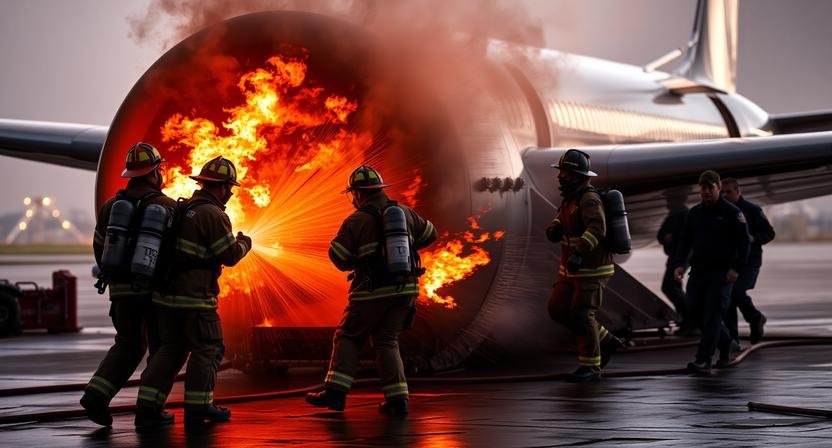
This outcome highlights the importance of preparedness. It’s like having a fire extinguisher in your home—you hope you never need it, but when you do, it can make all the difference.
Positive Outcome #2: Passenger Safety Protocols Proved Effective
If you’ve ever listened to a pre-flight safety briefing and thought, “When will I ever need this?”—this incident provides the answer. Those protocols aren’t just formalities; they are lifesaving measures.
Importance of Emergency Slides and Crew Training
The use of emergency slides allowed passengers to exit the aircraft بسرعة and safely. These slides are designed to deploy in seconds, creating a quick escape route even in dangerous conditions.
Flight attendants, often underestimated, proved their worth during this crisis. Their training enabled them to manage panic, direct passengers, and ensure an orderly evacuation. Without their guidance, the situation could have descended into chaos.
The fact that only one minor injury occurred is a testament to how well these systems work. It’s a powerful reminder that aviation safety is built on layers of protection, each designed to handle worst-case scenarios.
Positive Outcome #3: Aviation Safety Systems Worked as Designed
Modern aircraft are equipped with advanced safety systems designed to handle emergencies. In this incident, those systems performed exactly as intended.
Aircraft Safety Mechanisms During Engine Fire
When the engine fire occurred, built-in safety mechanisms helped contain the damage. Aircraft engines are designed with fire suppression systems that can limit the spread of flames.
Additionally, the aircraft’s braking system allowed the pilot to stop the plane quickly, preventing further complications. These features, combined with the crew’s expertise, ensured that the situation remained under control.
It’s like a well-engineered car with airbags, anti-lock brakes, and stability control—all working together to protect passengers in an emergency.
Investigation Underway: What Authorities Are Looking Into
While the immediate danger has passed, questions remain. How did a person end up on an active runway at one of the busiest airports in the United States?
Role of NTSB and FAA
The National Transportation Safety Board (NTSB) and the Federal Aviation Administration (FAA) have launched a full investigation into the incident. Their goal is to determine the sequence of events and identify any safety gaps.
Runway Security Concerns Raised
One of the biggest concerns is runway security. Airports are highly controlled environments, and unauthorized access to a runway is extremely rare. Authorities are now examining whether there was a breach in perimeter security or surveillance systems.
Impact on Denver International Airport Operations
The incident had an immediate impact on airport operations. Runway 17L was closed, causing delays and disruptions for other flights.
Runway Closure and Flight Delays
Closing a runway at a major airport like denver airport is no small matter. It affects scheduling, passenger connections, and airline operations. However, safety always comes first, and the closure was necessary to allow for investigation and cleanup.
Frontier Airlines Response and Public Statement
Frontier Airlines expressed deep sadness over the incident and confirmed that it is cooperating fully with authorities.
Airline’s Commitment to Passenger Safety
The airline emphasized its commitment to safety and highlighted the successful evacuation of all passengers. A replacement flight was arranged for travelers, ensuring minimal disruption to their journey.
Comparing Similar Aviation Incidents
This isn’t the first time an engine fire has led to an emergency evacuation. Similar incidents in the past have also demonstrated the effectiveness of safety protocols.
Lessons from Previous Engine Fire Emergencies
In previous cases, such as engine fires during landing or taxiing, quick evacuation and emergency response have consistently prevented major casualties. These incidents reinforce the importance of continuous training and system improvements.
What This Means for Travelers Flying from Denver Airport
For travelers, this incident may raise concerns—but it should also provide reassurance. The aviation industry is built on safety, and this event proves that the system works even in extreme situations.
Flying remains one of the safest modes of transportation. Incidents like this are rare, and when they do occur, the response is designed to protect passengers at all costs.
Expert Opinions on the Incident
Aviation experts often emphasize that safety is about preparation. One expert noted that the crew’s response was “textbook,” highlighting the importance of training and adherence to protocols.
This incident serves as a real-world example of how theory translates into practice.
Conclusion
The events at denver airport were undeniably tragic, especially considering the loss of life on the ground. Yet, within this difficult situation, there are clear positive outcomes. The swift emergency response, effective safety protocols, and reliable aircraft systems all played a role in preventing a much larger disaster.
It’s a powerful reminder that while aviation incidents can be unpredictable, the systems in place are designed to handle them. In this case, they did exactly that—saving lives and demonstrating the strength of modern aviation safety.
FAQs
1. What caused the Frontier Airlines 4345 emergency at denver airport?
The emergency was triggered when the aircraft struck a person on the runway during takeoff, leading to an engine fire and aborted takeoff.
2. Were there any passenger casualties?
No fatalities were reported among passengers. Only one minor injury occurred during evacuation.
3. How were passengers evacuated safely?
Passengers were evacuated using emergency slides, guided by trained flight attendants.
4. Is denver airport safe after this incident?
Yes, the airport remains safe. Investigations are underway to address security concerns and prevent similar incidents.
5. What happens next in the investigation?
Authorities like the NTSB and FAA will analyze all aspects of the incident, including runway security and aircraft response systems.
Read Full Incident Report:
Frontier Airlines Jet Incident at Denver Airport (ABC7)
Explore More Breaking News:
Latest News on Global News Signal