





Artemis 2 Mission Explained: 6 Powerful Reasons Why This Launch Changes Everything

Table of Contents
Introduction: Artemis 2 — A Bold Leap in Human Space Exploration
If you’ve been watching the skies or tracking space news, you’ve likely heard the name Artemis 2 buzzing everywhere — and for good reason. Artemis 2 isn’t just another rocket launch; it’s the first time humans have ventured beyond Earth orbit toward the Moon in more than 50 years, ushering in a new era of deep space exploration that could reshape our future. Launched on April 1, 2026, this historic mission marks a defining moment for NASA and humanity’s pursuit of the unknown.
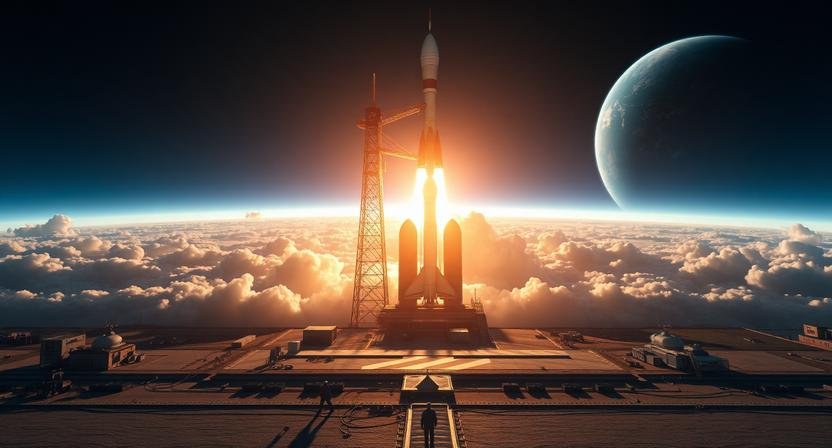
At its core, Artemis 2 is a test flight, a proving ground for new technologies and techniques necessary for returning humans to the lunar surface and, eventually, to even more distant worlds like Mars. But its significance reaches far beyond mere hardware validation — this mission strikes at the heart of exploration, diplomacy, innovation, and human ambition.
In this comprehensive article, we’ll uncover 6 powerful reasons why Artemis 2 is so monumental, explaining the mission’s objectives, challenges, breakthroughs, and what it means for the future of space travel.
What Is Artemis 2?
The Mission’s Core Objectives
Artemis 2 is NASA’s second mission in the Artemis lunar exploration program and the first to carry a human crew. Unlike its predecessor (Artemis I), which flew uncrewed around the Moon, Artemis 2 sends four astronauts on a 10-day journey that includes a lunar flyby and a return to Earth — a mission designed to test systems vital for deep space human flight.
How Artemis 2 Builds on Artemis I
Artemis I laid the groundwork by proving that the Space Launch System (SLS) rocket and Orion spacecraft could survive a full lunar mission. Artemis 2 takes the next logical step by adding humans into the system — meaning life support, navigation, and safety equipment must function flawlessly in real conditions.
Historical Context: First Crewed Lunar Mission in Over 50 Years
The launch of Artemis 2 represents a historic milestone in space exploration — the first crewed lunar mission since NASA’s Apollo 17 in 1972. That’s more than half a century between human missions beyond Earth’s orbit.
Why does this gap matter? Because it reflects shifts in technological innovation, global priorities, and ambition. The Apollo program ended with incredible achievements but no sustained lunar presence. Artemis seeks to change that paradigm, moving from brief landings to long-term lunar exploration.
Artemis 2 Mission Details
Launch Date and Duration
The mission launched on April 1, 2026, from NASA’s Kennedy Space Center in Florida. It’s expected to last about 10 days, during which the crew will travel farther from Earth than any humans have in recent history.
Crew Composition and Roles
The four-member crew includes NASA astronauts Reid Wiseman, Victor Glover, Christina Koch, and Canadian Space Agency astronaut Jeremy Hansen. This diverse crew represents both scientific expertise and international collaboration.
Spacecraft and Launch Vehicle
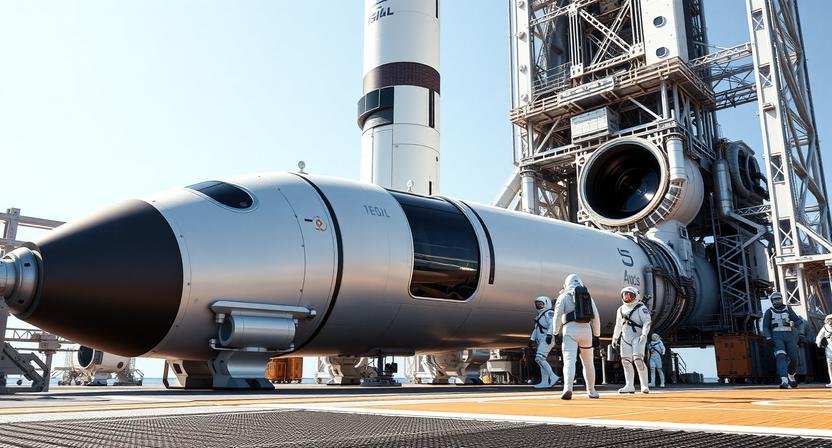
NASA’s Orion spacecraft — launched by the powerful Space Launch System (SLS) rocket — will carry the crew. Orion is designed for deep space missions and equipped with advanced systems for navigation, life support, and communication.
Reason 1: Testing Deep Space Human Flight Systems
One of Artemis 2’s most critical goals is to validate technologies necessary for human survival and mission success in deep space.
This includes testing Orion’s life support systems, communications, navigation, and heat shield performance during re‑entry, which must protect the spacecraft — and crew — upon return to Earth’s atmosphere. Past missions, like Artemis I, only tested these systems without humans onboard.
Without human crew tests, NASA cannot confidently move forward with more ambitious missions like lunar landings with Artemis 3 or establishing outposts on the Moon.
Reason 2: Pushing the Human Frontier Beyond Earth Orbit
Artemis 2 will send astronauts farther from Earth than any humans have since the Apollo era. At its greatest distance, the mission will take the crew tens of thousands of miles beyond the Moon, testing human endurance and spacecraft reliability in deep space.
This isn’t just a technical achievement — it represents a psychological leap. It proves that humans can endure the distances and conditions required for future missions to Mars and beyond.
Reason 3: Setting Up Artemis 3 and Future Moon Landings
While Artemis 2 won’t land on the Moon, its success is crucial for preparing the first lunar landing in the Artemis era — Artemis 3.

By validating deep space operations, testing systems, and gathering data on human performance and spacecraft behavior, Artemis 2 clears the path for landing astronauts on the Moon’s South Pole, potentially as soon as the next mission.
Reason 4: Scientific and Technological Discoveries
During the mission, astronauts will conduct observations and recordings of the Moon’s far side, analyze space weather effects, and gather data about how the human body responds to deep space radiation — all essential science that informs future missions.
Such research has enormous implications for long‑duration space travel and could help scientists better protect human explorers on future missions to Mars.
Reason 5: Reinforcing International Collaboration
Artemis 2 brings together astronauts and technology from multiple nations, illustrating how space exploration has become a global endeavor rather than a national competition.
This collaboration isn’t just symbolic — it pools expertise, budget, and technological resources that make ambitious exploration goals achievable.
Reason 6: Inspiring a New Generation of Explorers
One of the most powerful impacts of Artemis 2 is its ability to galvanize public imagination. Children watching a lunar mission live are more likely to pursue STEM careers, pushing innovation decades into the future.
The Economic and Strategic Value of Artemis 2
Space exploration accelerates innovation on Earth. Technologies developed for Artemis missions could lead to breakthroughs in materials science, robotics, communications, and even health sciences.
Moreover, the mission asserts leadership in space exploration amidst a growing global space race, particularly between the U.S., China, and other space agencies.
Risks and Challenges Behind Artemis 2
Deep space travel isn’t without danger. Experts have highlighted concerns over heat shield performance, untested life support, and radiation exposure for astronauts — risks that must be carefully managed to ensure mission success.
What Happens After Artemis 2?
Artemis 3 aims to land humans back on the Moon. Future missions will seek lunar bases and sustained human presence, possibly within the next decade — all steps enabled by Artemis 2’s success.
Conclusion
Artemis 2 is much more than a lunar flyby — it’s a bold statement of human potential. From testing cutting‑edge technologies to reigniting global inspiration, it marks a pivotal moment in human spaceflight history.
👉 Stay updated with the latest breaking stories on Global News Signal Latest Updates
If you’ve been following space news, you’ve likely seen widespread coverage of Artemis II across major outlets. For example, this report highlights the significance of the historic launch:
https://www.reuters.com/science/nasa-launches-first-crewed-lunar-mission-half-century-2026-04-01/
FAQs
1. What exactly is Artemis 2’s mission?
Artemis 2 is NASA’s first crewed lunar mission of the Artemis program, designed to fly astronauts around the Moon and return them safely to Earth, testing critical systems for future lunar landings.
2. Will Artemis 2 land on the Moon?
No — this mission will not include a lunar landing; instead, it performs a flyby around the Moon and tests spacecraft performance in deep space.
3. How long will Artemis 2 last?
The mission is expected to last approximately 10 days from launch to splashdown.
4. Who are the astronauts on Artemis 2?
The crew includes Reid Wiseman, Victor Glover, Christina Koch, and Jeremy Hansen, a historic mix of American and Canadian astronauts.
5. Why is Artemis 2 important for Mars missions?
By testing human travel beyond Earth orbit, Artemis 2 builds critical knowledge needed for longer missions, including eventual journeys to Mars.