



Unexpected Twist: CD Donahue Pentagon Departure Sparks Concern and Hope for the U.S. Army
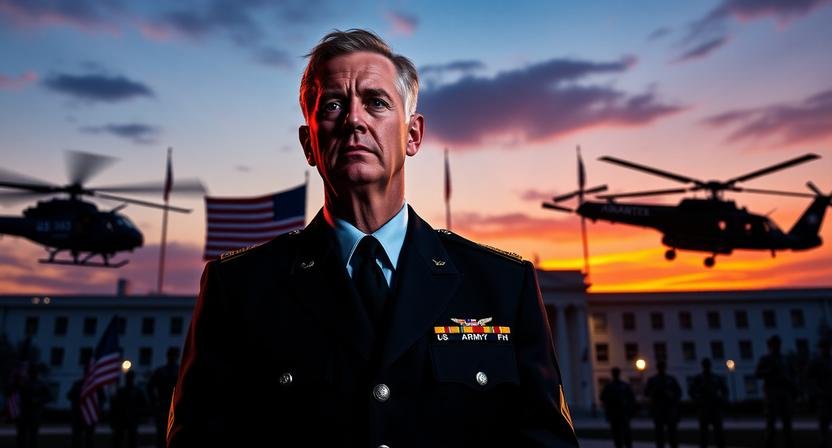
Table of Contents
News surrounding the cd donahue pentagon departure has rapidly become one of the biggest stories in military circles. General Christopher “C.D.” Donahue, widely recognized as the last American soldier to leave Afghanistan in 2021, is reportedly stepping down from his position leading U.S. Army Europe and Africa amid a broader shakeup inside the Pentagon. Reports indicate that the move comes during Defense Secretary Pete Hegseth’s efforts to reorganize senior military leadership and review America’s defense posture overseas.
The unexpected development has triggered a mix of concern and optimism among defense analysts, veterans, and lawmakers. While some fear that losing one of the Army’s most respected commanders could create instability, others argue that organizational changes may offer opportunities for modernization and a fresh strategic approach.
Understanding the News Behind the Departure
The story surrounding General Donahue’s departure has drawn widespread attention because of his reputation and the timing of the decision. Donahue assumed command of U.S. Army Europe and Africa in late 2024 and played an important role in strengthening military cooperation with NATO allies. His leadership was especially significant during heightened tensions in Europe and ongoing support efforts involving Ukraine. According to recent reports, his departure is tied to broader restructuring efforts taking place within the Pentagon. These reforms reportedly include reducing the number of senior positions and reexamining America’s military commitments abroad. Such moves have naturally fueled speculation about what lies ahead for U.S. military strategy and whether these changes represent a shift in priorities.
Why the Story Became National Headlines
General Donahue’s name carries enormous significance within military history. Images of him boarding the final aircraft departing Kabul became symbolic of America’s withdrawal from Afghanistan. Since then, he has remained one of the Army’s most visible leaders. His departure therefore represents more than just another personnel change; it symbolizes a changing era within the Pentagon. Many observers compare this moment to replacing the captain of a ship during rough seas. Questions immediately arise regarding continuity, morale, and future direction. That symbolism explains why the story has gained national attention and sparked heated discussions across political and military communities.
Who Is General Chris “C.D.” Donahue?
Christopher Donahue graduated from West Point and spent decades serving in elite military units, including Delta Force. Throughout his career, he participated in operations across Iraq, Afghanistan, Syria, and other regions. His experience spans counterterrorism, special operations, and conventional warfare. He later commanded the 82nd Airborne Division and XVIII Airborne Corps before assuming leadership over Army forces in Europe and Africa. Along the way, he earned numerous awards and developed a reputation as a combat-tested leader respected by both soldiers and senior commanders. His leadership style emphasized readiness, innovation, and close coordination with allies.
Why He Became Famous After Afghanistan
Although Donahue already had a distinguished military résumé, his image during the final hours of America’s withdrawal from Afghanistan made him recognizable to the public. That image became a symbol of the end of two decades of war. Supporters praised his professionalism during an extraordinarily difficult mission, while critics of the withdrawal viewed the moment differently. Regardless of politics, Donahue’s calm leadership earned respect across party lines. His reputation only grew as he later helped strengthen military cooperation in Europe and supported efforts connected to NATO’s security priorities. That background explains why his departure is receiving extraordinary scrutiny.
The Circumstances Surrounding the Pentagon Departure
Recent reports suggest that Defense Secretary Pete Hegseth has been pursuing substantial reforms aimed at reducing bureaucracy and restructuring senior leadership positions. General Donahue’s departure appears connected to these broader initiatives. Sources indicate that U.S. Army Europe and Africa could eventually be downgraded from a four-star command to a three-star position. Officials have not publicly offered detailed explanations regarding the timing of the move, leading to increased speculation among military observers. Like pieces being rearranged on a chessboard, the Pentagon’s current leadership changes suggest larger strategic calculations are underway.
Role of Defense Secretary Pete Hegseth
Defense Secretary Pete Hegseth has publicly emphasized a philosophy often summarized as “less generals, more GIs.” His approach focuses on streamlining military leadership structures and ensuring resources are directed toward operational readiness. Supporters argue that reducing administrative layers could increase efficiency and combat effectiveness. Critics, however, worry that abrupt leadership changes may undermine morale and institutional knowledge. The debate highlights the challenges involved in balancing reform with continuity, especially during a period of growing international uncertainty.
Why the Departure Has Sparked Concern
Several analysts have expressed concern because military stability often depends on experienced leadership. Europe remains strategically important due to tensions involving Russia and continued support for Ukraine. A sudden leadership transition can create uncertainty among allies and raise questions about long-term planning. Some retired officers reportedly view the departure as part of a broader trend affecting senior commanders. These concerns are not necessarily about one individual but about maintaining confidence throughout the military chain of command. Like removing an experienced coach before the championship season, timing matters just as much as the decision itself.
According to a report by the Financial Times, General Christopher “C.D.” Donahue is expected to retire early as part of a broader Pentagon leadership shakeup under Defense Secretary Pete Hegseth. The report noted that Donahue’s departure comes amid plans to restructure U.S. Army leadership in Europe and increasing pressure on NATO allies to assume greater responsibility for regional security. The move has raised concerns among former military officials, many of whom view Donahue as one of the Army’s most respected combat leaders. Read the full report from the Financial Times: https://www.ft.com/content/b2936511-6549-4a93-9c9f-b6dc3cd165a0?syn-25a6b1a6=1
Reactions From Former Military Officers
Many retired officers and military observers have publicly praised Donahue’s record. Discussions across veteran communities and social platforms reveal widespread respect for his leadership style. Former service members frequently describe him as approachable and focused on soldiers rather than bureaucracy. Such reactions demonstrate why news of his departure resonates emotionally with many who served under his command. Although opinions differ regarding Pentagon reforms, there is little disagreement about Donahue’s reputation as a battlefield leader.
Reasons Some See Hope in the Transition
Not everyone views the cd donahue pentagon departure negatively. Supporters of Pentagon reforms argue that organizational changes can create opportunities for innovation and efficiency. Modern warfare is evolving rapidly through artificial intelligence, cyber operations, and unmanned systems. Adapting military structures to these realities requires difficult decisions. Some analysts believe streamlining command structures may ultimately improve readiness and flexibility. History shows that military institutions often evolve through periods of disruption, and proponents argue that today’s changes could strengthen the Army for future challenges.
Opportunity for Strategic Reorganization
Military leaders continually face the challenge of balancing tradition with innovation. Structural reforms can free resources for modernization and sharpen strategic priorities. Advocates of change believe the Pentagon must prepare for emerging threats rather than maintain outdated frameworks. They argue that restructuring commands and leadership positions could improve responsiveness and reduce bureaucracy. While uncertainty accompanies any transition, supporters emphasize that adaptability has always been a hallmark of successful military organizations.
Impact on U.S. Army Europe and Africa Command
The future of U.S. Army Europe and Africa command remains closely watched. Reports indicate that Major General Christopher Norrie may temporarily assume responsibilities following Donahue’s departure. The command plays a vital role in coordinating operations with NATO allies and maintaining readiness across two continents. Any organizational changes could influence relationships with partner nations and affect long-term strategic planning. European security remains a top priority, making continuity especially important during this period.
What This Means for U.S. Military Strategy
Broader questions surrounding American defense strategy are impossible to ignore. Discussions about burden-sharing with European allies, troop deployments, and modernization efforts are all interconnected with leadership changes. The Pentagon continues evaluating how best to position American forces amid growing competition with Russia and China. Strategic flexibility will likely remain a central theme. Leaders must balance deterrence, alliance commitments, and resource constraints while preparing for future conflicts that may look very different from those of the past.
Public and Political Reactions
Political leaders and media outlets have offered varying interpretations of the development. Some view the departure as evidence of a bold effort to reshape the military, while others see risks associated with rapid turnover among senior officers. Veterans and military families have also shared opinions reflecting both concern and optimism. Such diverse reactions highlight the importance of trust and communication during times of transition. Regardless of political viewpoints, most observers agree that maintaining readiness and supporting service members should remain the ultimate priority.
Conclusion
The cd donahue pentagon departure represents far more than a simple personnel change. General Chris Donahue’s distinguished career and symbolic role in modern military history make his exit particularly significant. Questions about Pentagon reforms, European defense commitments, and future Army leadership ensure that this story will remain closely watched. Some see warning signs, while others see opportunities for renewal. Like every major transition, its ultimate impact will depend on how effectively leaders manage change while preserving readiness and trust. One thing is certain: the U.S. Army is entering a new chapter, and the consequences will shape discussions about American military strategy for years to come.
For more breaking stories and trending updates from around the world, visit the Latest News section at Global News Signal: https://globalnewssignal.com/category/latest/.
FAQs
1. Who is C.D. Donahue?
General Christopher Donahue is a four-star Army officer known for being the last American soldier to leave Afghanistan in 2021 and for commanding U.S. Army Europe and Africa.
2. Why is the CD Donahue Pentagon departure making headlines?
His departure comes amid major Pentagon leadership reforms and concerns about the future direction of U.S. military strategy.
3. Did the Pentagon officially explain his departure?
Detailed explanations remain limited, although reports link the move to broader restructuring efforts.
4. Who will replace General Donahue?
Major General Christopher Norrie is expected to temporarily assume leadership responsibilities.
5. Will this affect NATO operations?
Military analysts believe continuity will remain a priority, but command changes could influence future strategic planning with allies.