





Flash Flood Warning Alert: 9 Powerful Ways to Stay Safe Before Disaster Strikes
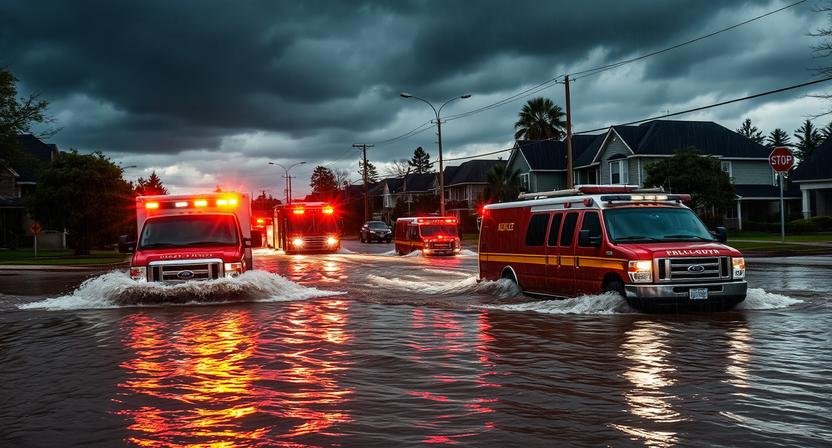
Table of Contents
Flash floods are among the most dangerous weather events because they can develop within minutes and leave little time for people to react. According to the National Weather Service, a flash flood warning means flash flooding is imminent or already occurring, requiring immediate action to protect life and property. Unlike regular floods that may take hours or days to develop, flash floods can transform roads, neighborhoods, and streams into deadly torrents in a very short period.
Recent flood emergencies across different regions have highlighted how quickly conditions can become life-threatening. Experts consistently stress one critical message: when a flash flood warning is issued, moving to higher ground immediately can save lives.
Recent weather alerts across the United States have demonstrated how quickly dangerous flooding can develop. For example, parts of the Austin metro area were recently placed under flash flood warnings as heavy rainfall threatened low-lying roads and neighborhoods. Readers can learn more from this detailed report by KXAN: https://www.kxan.com/weather/forecast/flash-flood-warnings-in-effect-for-parts-of-austin-metro/
Understanding a Flash Flood Warning
What a Flash Flood Warning Really Means
A flash flood warning is one of the most serious weather alerts issued by meteorological agencies. When authorities release this warning, they are informing the public that dangerous flooding is either already happening or expected to happen very soon. This is not a routine weather notification that can be ignored until later. Instead, it represents an urgent call to action that requires immediate attention and potentially immediate evacuation.
Think of a flash flood warning like a fire alarm in a building. You would not wait to see smoke before reacting. The same principle applies here. Once the warning is issued, conditions are already favorable for dangerous water levels that can overwhelm roads, bridges, neighborhoods, and low-lying areas. Experts emphasize that people living near streams, creeks, drainage channels, and flood-prone regions should move to higher ground without delay.
One of the most dangerous misconceptions is believing that flooding only happens where heavy rain is falling. In reality, flash flooding can occur miles away from the rainfall source as water rapidly moves downstream. This means communities may experience severe flooding even when local rainfall appears moderate. Understanding the urgency behind a flash flood warning can make the difference between safety and disaster.
Difference Between a Watch and a Warning
Many people confuse flood watches and flood warnings, but the distinction is critical. A Flood Watch means conditions are favorable for flooding. It serves as an early notice to stay prepared and monitor weather developments. A Flash Flood Warning, however, means flooding is imminent or occurring and immediate protective action is necessary.
| Alert Type | Meaning | Required Action |
|---|---|---|
| Flood Watch | Conditions favor flooding | Be prepared |
| Flood Warning | Flooding is expected or occurring | Take action |
| Flash Flood Warning | Rapid flooding imminent or ongoing | Act immediately |
| Flash Flood Emergency | Catastrophic life-threatening flooding | Seek safety now |
Understanding these alerts helps families respond quickly and appropriately when severe weather strikes.
Why Flash Floods Are So Dangerous
How Fast Water Becomes Deadly
The power of moving water is often underestimated. Many people assume they can safely walk or drive through shallow floodwater. Unfortunately, statistics and emergency reports show that floodwaters can become deadly with astonishing speed. Less than a foot of fast-moving water can knock an adult off their feet, while deeper water can carry away vehicles.
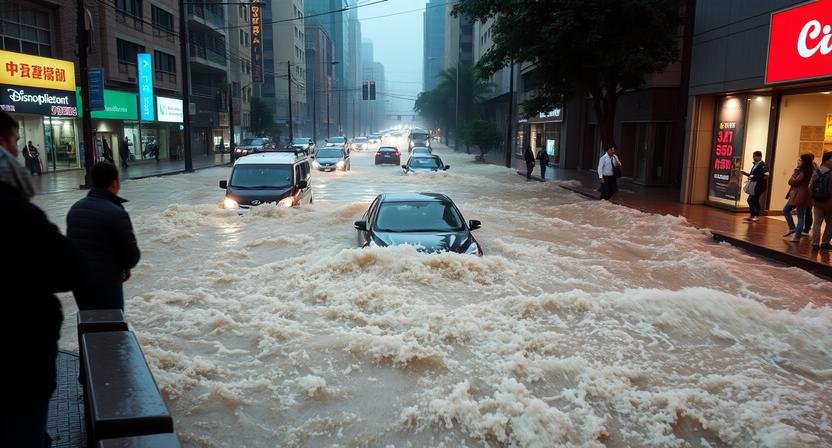
Floodwater is also deceptive. What appears to be a shallow puddle may conceal a washed-out roadway, open manhole, or strong current underneath. Drivers often make the mistake of assuming their vehicle can handle the water depth. In reality, even large SUVs can be swept away when floodwaters gain momentum. Emergency managers repeatedly emphasize the slogan “Turn Around, Don’t Drown” because vehicle-related incidents account for a significant percentage of flood fatalities.
Flash floods can rise rapidly within minutes, leaving little opportunity for escape. This sudden onset makes them especially dangerous compared to slower-developing natural disasters. The combination of speed, force, and unpredictability is what makes flash flooding such a deadly threat.
Hidden Risks During Heavy Rain
Beyond rising water, flash floods create numerous secondary hazards. Roads become unstable, bridges may weaken, and landslides can occur in mountainous or hilly terrain. Floodwaters frequently contain debris, chemicals, sewage, and sharp objects that increase the danger for anyone attempting to walk through them.
Nighttime flooding presents an even greater challenge because visibility is reduced. Drivers may not realize a roadway is flooded until it is too late. Emergency alerts issued during overnight storms are particularly important because many flood-related tragedies occur while people are asleep or traveling in darkness. Staying informed and responding quickly can significantly reduce these risks.
9 Powerful Ways to Stay Safe Before Disaster Strikes
1. Monitor Weather Alerts Constantly
Technology has made receiving weather alerts easier than ever. Smartphones, weather radios, television broadcasts, and emergency notification systems can provide life-saving information. Keep multiple alert sources available because power outages and communication disruptions often accompany severe storms.
2. Prepare an Emergency Evacuation Plan
Every household should have a flood evacuation strategy. Identify safe routes to higher ground and discuss them with family members. Establish meeting points and emergency contacts. Preparation reduces panic and improves decision-making during emergencies.
3. Move to Higher Ground Immediately
When a flash flood warning is issued, time is critical. Emergency agencies consistently advise residents to move to higher ground immediately. Waiting to see actual floodwater can waste valuable minutes that may be necessary for a safe escape.
4. Never Drive Through Floodwater
This rule cannot be emphasized enough. Flooded roads are among the leading causes of flood-related deaths. Water depth is difficult to judge, and road surfaces may have been damaged beneath the water. Turning around and finding an alternate route is always the safest decision.
5. Create an Emergency Supply Kit
A well-prepared emergency kit should include:
- Drinking water
- Non-perishable food
- Flashlights
- Batteries
- Medications
- First aid supplies
- Portable phone chargers
- Important contact information
Having supplies ready can make evacuation smoother and less stressful.
6. Protect Important Documents
Store identification papers, insurance records, financial documents, and medical information in waterproof containers. Digital backups stored securely online add another layer of protection.
7. Secure Your Home Before Flooding
If time allows, move valuable items to higher floors, unplug electrical devices, and secure outdoor furniture. Taking preventive measures before floodwaters arrive can reduce property damage significantly.
8. Stay Away From Rivers and Drainage Areas
Streams, drainage ditches, canals, and creeks can transform into raging waterways during intense rainfall. Recreational activities near these locations should stop immediately when severe weather threatens.
9. Follow Official Emergency Instructions
Emergency managers and weather agencies issue instructions based on real-time data and forecasts. Whether they recommend evacuation, sheltering, or road closures, following their guidance greatly improves personal safety.
Flash Flood Warning vs Other Flood Alerts
Flood Watch
A Flood Watch signals that conditions are favorable for flooding. Residents should review emergency plans, monitor forecasts, and prepare supplies. It is essentially a heads-up that flooding may occur.
Flood Warning
A Flood Warning indicates flooding is expected or already occurring. Residents in affected areas should begin protective actions immediately.
Flash Flood Emergency
A Flash Flood Emergency is the highest level of flood alert. These rare warnings are reserved for catastrophic and life-threatening situations where severe flooding is already occurring or imminent. Immediate action is essential.
Essential Flash Flood Safety Statistics
Recent safety reports and emergency management data reveal important facts about flood dangers:
| Statistic | Finding |
|---|---|
| Leading thunderstorm-related killer | Flash flooding |
| Vehicle-related flood deaths | Nearly half of fatalities |
| Water needed to stall a vehicle | Around 6 inches |
| Water capable of floating many vehicles | Around 2 feet |
| Development speed | Minutes to hours |
These statistics highlight why respecting flood warnings is essential. What may seem like minor flooding can quickly escalate into a life-threatening situation.
Recent Flash Flood Warning in Austin Highlights the Danger
A recent flash flood warning affecting portions of the Austin metro area serves as a powerful reminder that flooding can develop with little notice. Heavy rainfall prompted weather officials to issue alerts for affected communities, urging residents to remain cautious and avoid flooded roadways. Events like this demonstrate why monitoring weather alerts and having an emergency plan are essential for staying safe.
For additional details about the Austin flash flood warning, read this report:
https://www.kxan.com/weather/forecast/flash-flood-warnings-in-effect-for-parts-of-austin-metro/
To stay updated with the latest breaking news, weather alerts, and trending stories, visit:
https://globalnewssignal.com/category/latest/
Conclusion
A flash flood warning is not just another weather alert. It is a critical warning that dangerous flooding is either happening now or expected very soon. The rapid nature of flash floods leaves little room for hesitation, making preparation and quick action absolutely essential.
By monitoring weather alerts, planning evacuation routes, avoiding flooded roads, maintaining emergency supplies, and following official instructions, families can dramatically improve their chances of staying safe. The most important lesson is simple: when floodwaters rise, move to higher ground and never underestimate the power of fast-moving water. A few minutes of preparation today could save lives tomorrow.
FAQs
1. What should I do immediately after receiving a flash flood warning?
Move to higher ground immediately, avoid flood-prone areas, and continue monitoring official weather updates. Do not wait to see floodwaters before taking action.
2. How is a flash flood warning different from a flood watch?
A flood watch means flooding is possible, while a flash flood warning means flooding is imminent or already occurring and immediate action is required.
3. Can flash floods happen without rain in my area?
Yes. Water from heavy rainfall upstream can travel rapidly and cause flooding downstream even when local rainfall is minimal.
4. Why is driving through floodwater dangerous?
Floodwater depth is difficult to judge, roads may be damaged underneath, and strong currents can sweep vehicles away.
5. What is a Flash Flood Emergency?
It is the highest level of flood alert, issued only during catastrophic and life-threatening flooding situations requiring immediate protective action.