





ALDI Pizza Salmonella Alert Goes Viral: 5 Reasons This Food Safety Scare Is Worse Than You Think
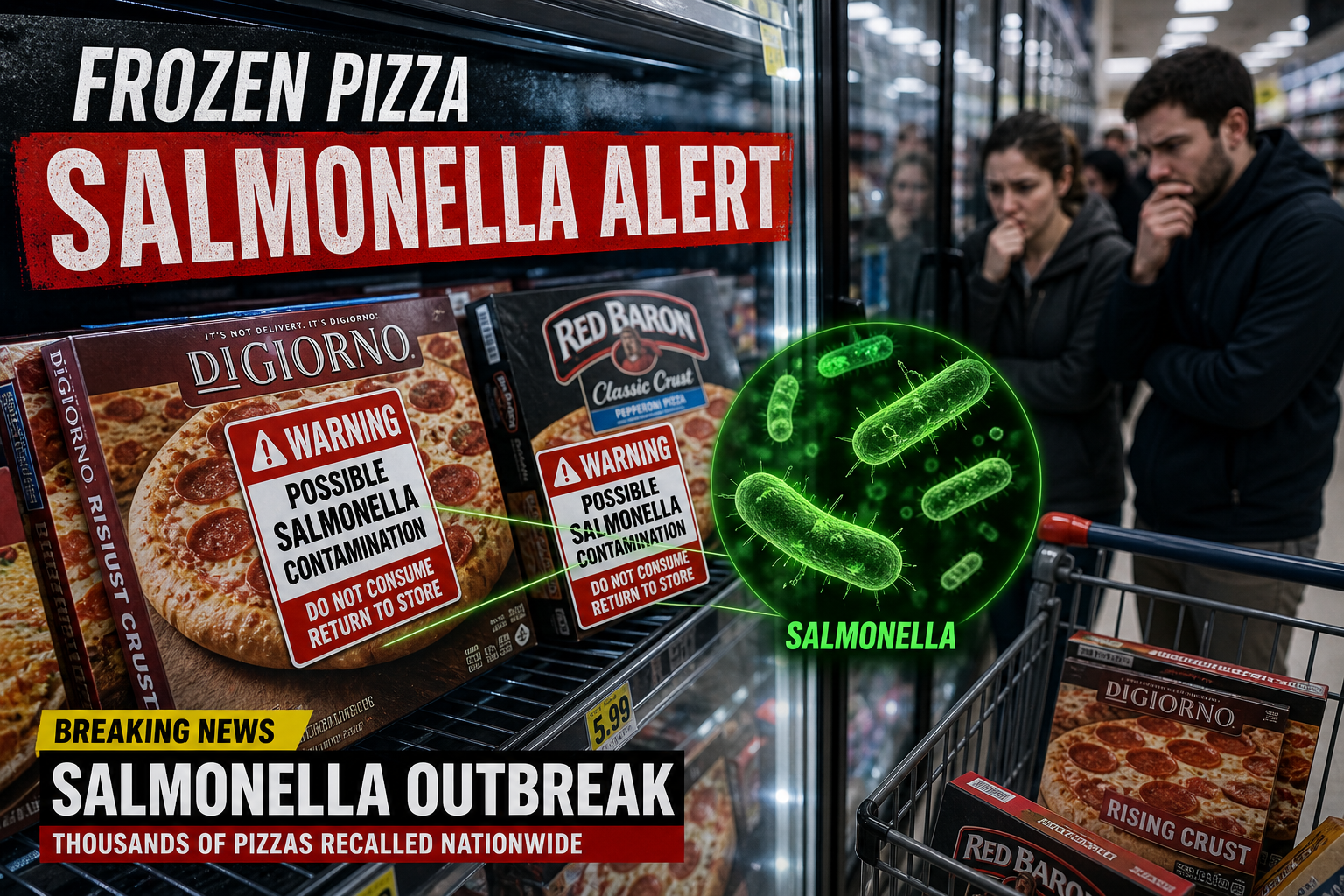
Table of Contents
What Is the ALDI Pizza Salmonella Alert?
The ALDI Pizza Salmonella Alert has quickly become one of the most talked-about food safety issues of 2026—and for good reason. This isn’t just another minor recall buried in the news cycle. It’s a nationwide health alert issued by the U.S. Department of Agriculture’s Food Safety and Inspection Service (FSIS), warning consumers about potential Salmonella contamination in frozen breakfast pizzas sold at ALDI stores.
The concern revolves around a seemingly harmless ingredient: dry milk powder. That ingredient had already been flagged in a separate FDA recall due to contamination risks, and unfortunately, it made its way into popular frozen pizza products. That’s where things start to get unsettling—because it shows how a single contaminated ingredient can ripple through multiple food products without consumers even realizing it.
Now, here’s the twist: this wasn’t initially classified as a full recall but rather a public health alert. That means the products may no longer be in stores—but they could still be sitting in your freezer right now. That uncertainty is exactly what’s fueling widespread concern. People aren’t just asking, “Is this dangerous?”—they’re asking, “Did I already eat it?”
Timeline of the 2026 Food Safety Alert
The alert was officially issued on April 30, 2026, after federal agencies connected the dots between recalled dairy ingredients and finished food products. What started as a targeted warning quickly escalated into a broader investigation, with officials warning that more affected products could be identified over time.
This evolving situation is one of the key reasons the story has gained traction. Unlike a closed case, this one feels ongoing—almost like a developing storm rather than a past event.
Which ALDI Pizza Products Are Affected?
Two specific frozen breakfast pizzas under the Mama Cozzi’s brand are currently linked to the alert:
- Biscuit Crust Sausage & Cheese Breakfast Pizza (18.5 oz)
- Biscuit Crust Pork Belly, Bacon, Pepper & Onion Pizza (~17 oz)
These products carry best-by dates ranging from October 15 to October 24, 2026, meaning they could remain in freezers for months. That long shelf life makes the situation more complicated—and potentially more dangerous.
Why This Salmonella Alert Is Going Viral
Social Media Amplification
Let’s be honest—food recalls aren’t new. So why is this one exploding online? The answer lies in how fast information spreads today. Social media platforms have turned this alert into a trending topic, with users sharing photos of affected products, warning others, and even debating whether frozen foods are truly safe.
👉 For more real-time updates on breaking health incidents and food safety developments, visit our news coverage section.
👉 According to a detailed report on the ongoing investigation, a new public health alert has been issued due to a potential salmonella threat, with additional products now suspected of contamination.
Source: public-health-alert-issued-due-to-salmonella-threat-additional-products-suspected
Fear spreads faster than facts. A single viral post can reach millions within hours, and in this case, the idea that a common freezer staple could be contaminated is enough to make anyone uneasy.
Consumer Fear Around Frozen Foods
Frozen foods are supposed to feel safe. They’re sealed, preserved, and stored for long periods. But this alert challenges that assumption. It shows that freezing doesn’t eliminate contamination risks—it only preserves the product.
That realization hits differently. It’s like discovering that a locked door isn’t as secure as you thought. Suddenly, people start questioning not just pizza, but everything in their freezer.
5 Reasons This Food Safety Scare Is Worse Than You Think
Reason #1 – Hidden Ingredient Contamination
The contamination didn’t originate in the pizza itself—it came from an ingredient used during production. This highlights a major vulnerability in modern food systems. When one supplier fails, the effects can cascade across multiple brands and products.
Think of it like a domino effect. One contaminated batch of milk powder can impact hundreds—or even thousands—of products across different stores.
Reason #2 – Nationwide Distribution Risk
These pizzas weren’t sold in just one region—they were distributed nationwide. That dramatically increases the scale of potential exposure. Even if no illnesses have been reported yet, the sheer number of households that may have purchased these products is staggering.
It’s not just a local issue—it’s a national one.
Reason #3 – Potential Expansion of Recall
Officials have already warned that more products could be added to the alert list as investigations continue. That uncertainty is unsettling. It means what we know today might only be the tip of the iceberg.
Imagine checking your freezer today and thinking you’re safe—only to find out tomorrow that another product you own has been added to the list.
Reason #4 – Silent Health Risks
Salmonella symptoms don’t always appear immediately. In fact, they can take anywhere from 6 hours to 6 days to show up. That delay creates a dangerous window where people might not even realize they’ve been exposed.
And for vulnerable groups—like children, the elderly, and those with weakened immune systems—the consequences can be severe.
Reason #5 – Supply Chain Complexity
Modern food supply chains are incredibly complex. Ingredients are sourced globally, processed in multiple facilities, and distributed across vast networks. This complexity makes it harder to trace contamination quickly—and even harder to contain it.
The ALDI pizza alert is a perfect example of how interconnected everything is. One small issue upstream can create a massive problem downstream.
Understanding Salmonella: The Real Danger
Symptoms and Health Effects
Salmonella infection, also known as salmonellosis, can cause symptoms like diarrhea, fever, abdominal cramps, nausea, and vomiting. While many people recover within a week, the illness can be severe in certain cases.
The tricky part is that symptoms can vary widely. Some people experience mild discomfort, while others may require hospitalization.
Who Is Most at Risk?
Certain groups face higher risks, including:
- Infants and young children
- Older adults
- Individuals with weakened immune systems
For these populations, what might seem like a minor foodborne illness can quickly become a serious health issue.
What Experts Are Saying About the Alert
Food safety experts emphasize the importance of vigilance in situations like this. According to federal guidance, consumers should avoid eating any potentially affected products and either discard them or return them for a refund.
Experts also highlight the importance of monitoring updates, as new products may be added to the alert list over time. This isn’t a “set it and forget it” situation—it requires ongoing awareness.
What Should You Do If You Bought These Pizzas?
Step-by-Step Consumer Safety Guide
If you suspect you have one of the affected pizzas, here’s what you should do:
- Check the product name, size, and best-by date carefully
- Do not consume the product under any circumstances
- Dispose of it safely or return it to the store
- Monitor your health for symptoms over the next few days
- Contact a healthcare provider if symptoms appear
This isn’t about panic—it’s about precaution.
Food Safety Lessons From the ALDI Pizza Incident
This incident serves as a wake-up call. It reminds us that food safety isn’t just about cooking temperatures or expiration dates—it’s about the entire journey of a product, from raw ingredients to your plate.
It also highlights the importance of transparency and communication. When companies and regulators act quickly, they can prevent potential outbreaks before they happen.
How This Impacts ALDI’s Brand Reputation
ALDI has built a reputation for affordability and quality, but incidents like this can shake consumer trust. Even though the contamination wasn’t directly caused by the retailer, perception matters.
Consumers may start to question not just one product, but the entire brand. Rebuilding that trust requires clear communication, swift action, and consistent quality control moving forward.
Conclusion
The ALDI Pizza Salmonella Alert isn’t just another food recall—it’s a powerful reminder of how fragile our food systems can be. From hidden ingredient contamination to nationwide distribution risks, this situation reveals vulnerabilities that many consumers never think about.
What makes this alert particularly concerning is its uncertainty. With the possibility of more products being affected and symptoms that don’t appear immediately, it’s a story that continues to evolve.
At the end of the day, awareness is your best defense. Checking your freezer might seem like a small step—but in situations like this, it can make a big difference.
FAQs
1. What is the ALDI Pizza Salmonella Alert?
It’s a public health warning issued by U.S. authorities about certain frozen ALDI pizzas that may contain Salmonella due to contaminated ingredients.
2. Which products are affected?
Two Mama Cozzi’s breakfast pizzas, including sausage & cheese and pork belly varieties, are currently linked to the alert.
3. Has anyone gotten sick yet?
As of now, no confirmed illnesses have been reported, but the risk remains.
4. What should I do if I have the pizza?
Do not eat it. Throw it away or return it to the store for a refund.
5. Can Salmonella be serious?
Yes, especially for vulnerable groups like children, older adults, and those with weakened immune systems.